
Key Points
- UK Chancellor Rachel Reeves vowed the UK will achieve the fastest AI adoption rate among all G7 nations, as reported by Bloomberg
- Reeves will deliver her annual Mais lecture at Bayes Business School in London on 17 March 2026, outlining her economic vision focusing on AI, regional growth, and closer EU ties
- The government plans a £2 billion AI push to accelerate business and public sector integration of artificial intelligence, according to London Loves Tech
- Reeves described AI as “the defining technology of our era” and stated the AI productivity dividend is how leading sectors will stay ahead of competitors
- The government launched an AI Skills Boost campaign targeting training for 10 million workers, as reported by People Management
- A new Sovereign AI unit will be established to unlock opportunities for frontier AI companies in the UK, per Reeves’ Facebook post
- Reeves urged employers to upskill staff and placed employers at the centre of supporting workers through technological change
- The Chancellor linked AI adoption directly to economic performance and regional economic growth, noting investing in regional economies is vital for higher growth
- The plan involves government playing a direct role in accelerating AI integration across businesses and public institutions from NHS to local government
- Reeves aims for Britain to be a world leader in AI, encouraging entrepreneurs and businesses to “start, scale, and stay” in the UK
What Is Chancellor Reeves’ Main Goal for AI Adoption in the UK?
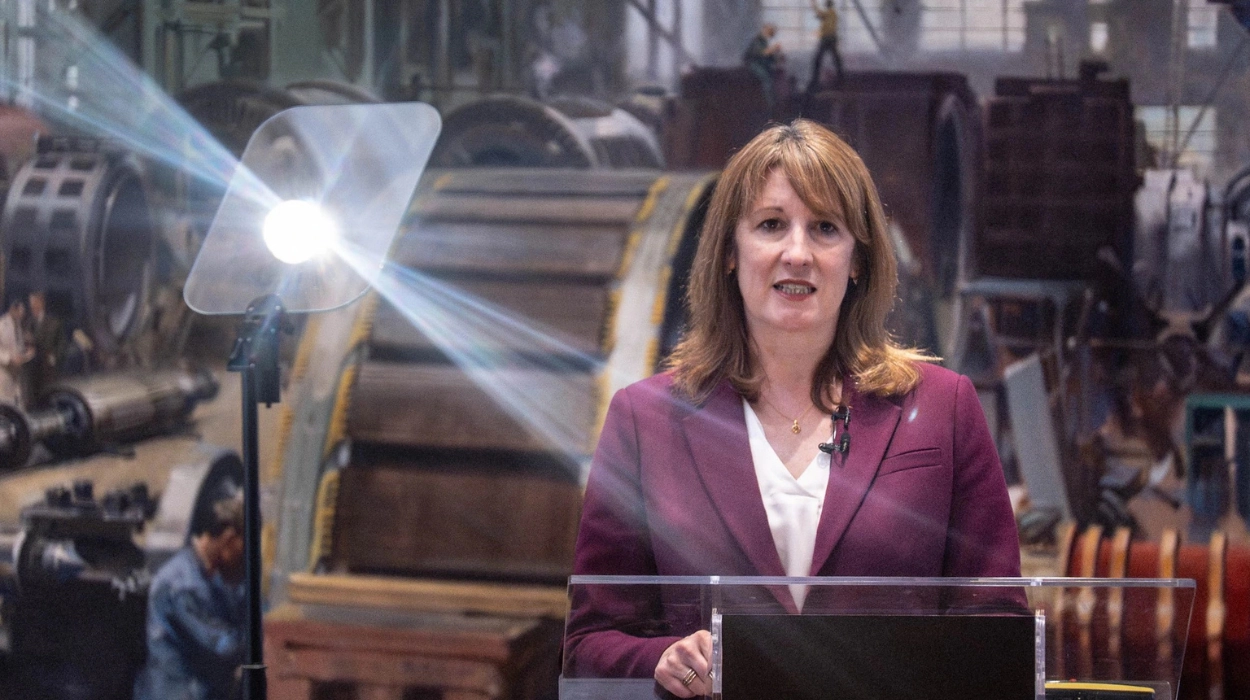
UK Chancellor Rachel Reeves has declared that Britain will achieve the fastest rate of artificial intelligence adoption among all Group of Seven nations, positioning AI as the cornerstone of her economic growth strategy. As reported by Bloomberg, Reeves vowed the UK will adopt artificial intelligence faster than any other G7 nation, hailing the technology as a key plank of her bid to spur economic growth. Speaking at her Mais lecture at Bayes Business School in London on 17 March 2026, Reeves described artificial intelligence as “the defining technology of our era” and set out comprehensive plans to accelerate its use across the economy to boost productivity and growth.
Why Does Reeves Believe AI Is Critical for Economic Growth?
As reported by journalist Sarah Brunst in Bloomberg’s coverage, Reeves stated that “the AI productivity dividend is how our leading sectors will stay ahead of their competitors – and how small, medium and large businesses will grow”. The Chancellor linked AI adoption directly to economic performance, emphasising that AI is now an immediate priority for businesses. According to People Management, Reeves explained that “investing in our regional economies, promoting AI and improving our trading relationship with the EU are vital steps on the pathway to higher growth”.
The Treasury’s pre-briefed remarks highlighted that AI, regional growth, and closer ties with the European Union represent the biggest opportunities for growth in coming years. Reeves connected AI adoption with regional economic growth specifically, noting that the technology will help businesses across all sizes expand their operations.
How Much Investment Is the Government Committing to AI?
As reported by London Loves Tech, UK Chancellor of the Exchequer Rachel Reeves is set to outline an ambitious strategy featuring a £2 billion AI push to make the UK the fastest adopter of artificial intelligence among G7 nations. This investment represents the government’s direct financial commitment to accelerating how businesses and public institutions integrate AI into their operations.
According to London Loves Tech, the plan involves shifting towards innovation with the government playing a direct role in accelerating adoption across sectors. The investment will work closely with industry leaders, researchers, and investors to speed up adoption throughout the economy.
Will There Be Additional Funding Beyond the £2 Billion?
A Facebook post from Rachel Reeves herself announced a £2.5 billion investment in AI to boost the UK economy, suggesting the total commitment may exceed the initially reported £2 billion figure. This additional funding appears to support the broader Sovereign AI initiative Reeves is launching.
What Plans Exist for Worker Training and Upskilling?
As reported by People Management, Reeves urged employers to upskill staff as the government targets training 10 million workers through the AI Skills Boost campaign. The Chancellor placed employers at the centre of supporting workers through technological change, recognising that AI’s impact could significantly affect jobs.
The campaign represents a major workforce development initiative, acknowledging that AI will change how people work while requiring substantial investment in human capital development. Reeves recognised the dual nature of AI adoption – boosting productivity while potentially disrupting employment patterns.
What Role Do Employers Play in Worker Upskilling?
According to People Management’s reporting, Reeves explicitly placed employers at the centre of supporting workers through technological change. The Chancellor urged employers directly to take responsibility for upskilling their staff, making them primary partners in the government’s AI adoption strategy.
This employer-focused approach acknowledges that businesses are best positioned to understand their specific training needs and can implement upskilling programmes more effectively than central government alone.
What Is the New Sovereign AI Unit and How Will It Work?
How Will the Sovereign AI Unit Support Frontier AI Companies?
As reported in Rachel Reeves’ own Facebook post, she stated: “I want Britain to be a world leader in AI. That’s why we’re launching the new Sovereign AI unit, which will unlock more opportunities in the UK for frontier AI companies”. This new unit represents a dedicated government body focused specifically on supporting advanced AI businesses.
The Sovereign AI unit aims to create an ecosystem where the “very best entrepreneurs and businesses to start, to scale, and to stay” in the United Kingdom. Reeves emphasised that AI will change how businesses grow, and she wants Britain to capture this opportunity fully.
How Will AI Integration Extend to Public Services?
As reported by London Loves Tech, the government plans to ensure that public services, from the NHS to local government, are equipped to use AI tools efficiently. This comprehensive approach means AI integration will not be limited to private sector businesses alone.
The plan includes encouraging businesses to integrate AI into operations while simultaneously ensuring public sector organisations have the necessary infrastructure and training. This dual approach recognises that public sector AI adoption can drive efficiency in healthcare, local services, and government administration.
What Is Reeves’ Vision for UK-EU Relations Regarding AI?
According to Bloomberg’s reporting of Reeves’ pre-briefed remarks, the Chancellor highlighted closer ties with the European Union as one of the biggest opportunities for growth alongside AI and regional development. Reeves explained that improving trading relationships with the EU is vital for achieving higher growth.
The Chancellor’s economic vision positions EU cooperation as complementary to AI advancement, suggesting that enhanced trade relationships could facilitate technology transfer, research collaboration, and market access for UK AI companies.
What Immediate Actions Are Businesses Expected to Take?
As reported by People Management, Reeves stated that AI is now an immediate priority for businesses. The Chancellor’s messaging leaves no ambiguity about the timeline – companies should begin AI integration programmes immediately rather than treating it as a future consideration.
This urgency reflects Reeves’ view that AI productivity advantages will determine competitive positioning in leading sectors, making delay potentially costly for businesses.
What Are the Potential Job Market Impacts of AI Adoption?
While Reeves emphasised AI’s productivity benefits, she also recognised the impact it could have on jobs, as reported by People Management. The Chancellor acknowledged this dual reality while framing worker upskilling as the primary response to potential employment disruptions.
The AI Skills Boost campaign representing 10 million workers training targets addresses these concerns proactively, preparing workers for transformed job requirements rather than simply replacing roles.
What Does Reeves’ Mais Lecture Reveal About Overall Economic Strategy?
As reported by Bloomberg, Reeves used her annual Mais lecture to set out her economic vision for coming years, highlighting AI alongside regional growth and closer EU ties as the three biggest growth opportunities. This positioning shows AI is not a standalone initiative but integrated into a comprehensive economic strategy.
The lecture at Bayes Business School in London provided the platform for Reeves to communicate that these three elements – AI adoption, regional investment, and EU trade improvement – work together rather than competing for priority.