
Key Points
- Norwegian energy giant Equinor, the biggest seller of gas to the UK, has reported first-quarter earnings of just under £7 billion.
- The company’s adjusted earnings before tax came in at $9.77 billion, the highest level since the first quarter of 2023, driven by record output and higher oil and gas prices.
- Reuters reported that the company beat analyst forecasts, with the result helped by price volatility linked to the Iran war.
- The Mirror said the profit surge renewed criticism of “massive war-fuelled profits” while households continue to face rising bills.
- Equinor had already cut its share buyback programme by 70% earlier this year and kept its quarterly dividend unchanged at $0.39 per share.
- The story has revived debate about windfall taxation on energy companies as Europe’s energy market remains volatile.
- BP also reported sharply higher quarterly profits during the same period, adding to scrutiny of major energy firms’ gains from the conflict-driven price spike.
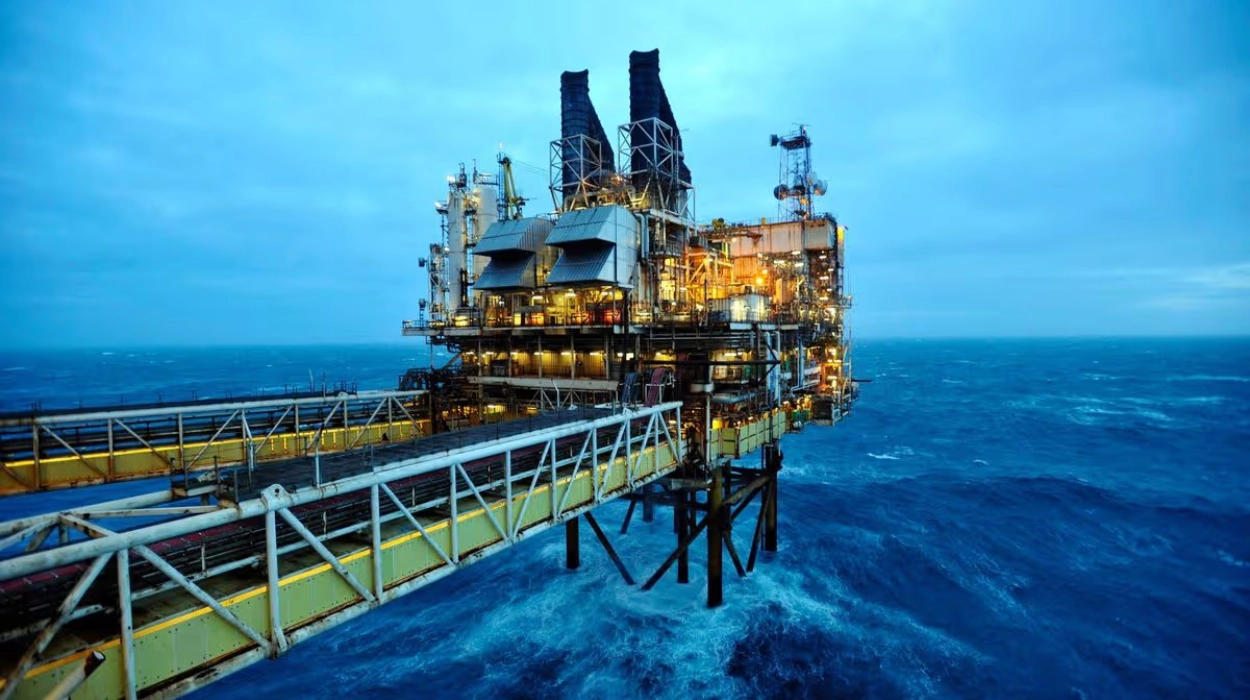
Norwegian energy giant Equinor has posted a near-£7 billion quarterly profit after the Iran war pushed oil and gas prices higher, intensifying criticism over energy industry gains while UK households continue to face pressure on bills.
Why did Equinor’s profits rise?
As reported by the Mirror, Equinor’s earnings in the opening quarter of the year were just shy of £7 billion, up from £6.35 billion in the same period last year. The company said the stronger result was driven by record production and a surge in wholesale oil and gas prices linked to the conflict involving Iran. Reuters reported that Equinor’s adjusted earnings before tax reached $9.77 billion, beating analyst expectations of $9.0 billion.
Who reported the story?
The Mirror’s business coverage attributed the profit figure to Equinor’s latest quarterly results and framed the outcome as a political flashpoint because of the strain on household energy bills. Reuters reported separately that the Norwegian company’s first-quarter performance was boosted by “significant volatility” in crude, products and liquids markets caused by the Middle East conflict. Bloomberg also reported that the war fuelled volatility across the market, helping trading results at Equinor.
What did Equinor say about dividends and buybacks?
Reuters reported that Equinor had already decided in February to reduce share buybacks by 70% this year in order to strengthen cash flow. The company also kept its regular quarterly cash dividend at $0.39 per share. Even with those changes, the firm’s latest earnings were still described as its strongest in three years.
How are other energy firms performing?
BP’s latest quarterly results added to the wider picture of surging energy-company profits during the same period. BBC News reported that BP’s profits more than doubled to $3.2 billion, driven by higher oil prices following the conflict with Iran. Fortune also reported criticism from activists who described the earnings as “horrifying”, underscoring public concern over companies benefiting while consumers face cost pressures.
Why is the Iran war affecting energy prices?
Reuters reported that the Middle East conflict has created major market volatility, lifting oil and gas prices sharply. OEDigital reported that Brent crude climbed well above $100 per barrel after the outbreak of the war, compared with a much lower trading range in the previous 12 months. That price movement has directly benefited upstream producers and trading arms, including Equinor’s downstream division.
Is a windfall tax back on the agenda?
The Mirror said the earnings have reignited debate over whether energy firms should face a windfall tax. That debate has been recurring across Europe whenever profit spikes coincide with consumer pain, especially during periods of geopolitical instability. The latest results from Equinor and BP are likely to keep pressure on policymakers and campaigners who argue that extraordinary profits should be shared more widely.
What is the wider market impact?
Reuters reported that Equinor shares fell even after the strong results, as cash flow weakness outweighed record output and higher prices. That suggests investors are looking beyond headline profit figures and focusing on capital discipline, cash generation and future volatility. The World Bank has also warned of a broader surge in energy prices in 2026 if Middle East tensions persist.
What does this mean for UK consumers?
For UK households, the story is another reminder that geopolitical shocks can feed directly into energy costs. While producers and traders may benefit from price spikes, consumers usually experience the downside through higher bills and broader cost-of-living pressure. That gap is what makes the debate over profits, taxation and fairness politically sensitive.