
Key Points
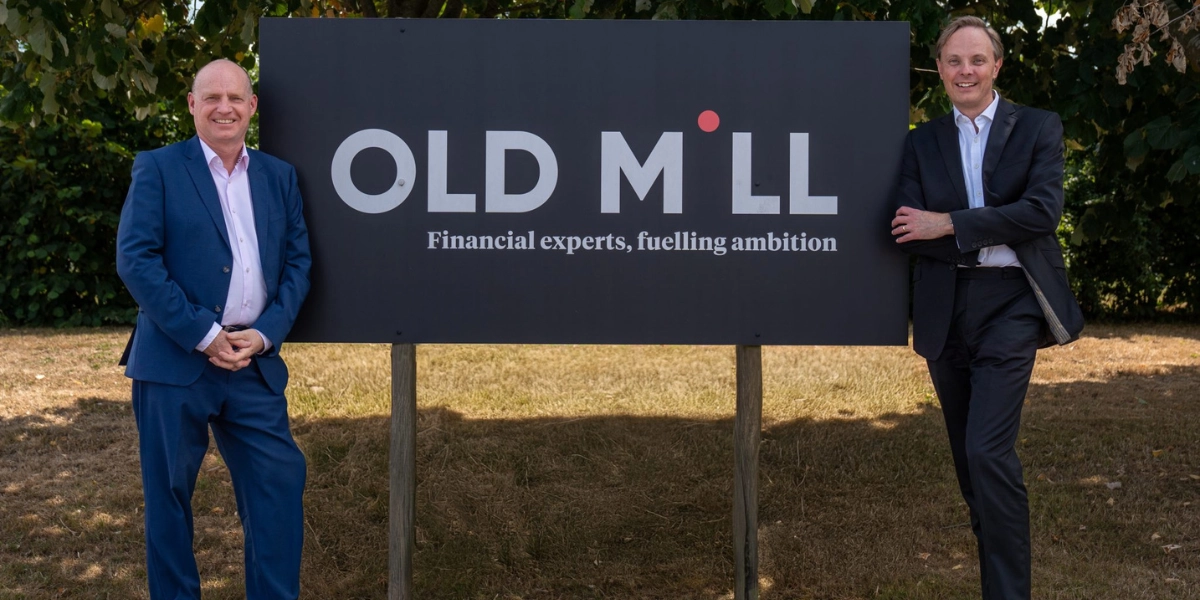
- Private-equity vehicle Kin Brook Capital has acquired Old Mill Group (Old Mill) in a deal intended to accelerate growth and support a “one-stop shop” model combining financial advice, accountancy and tax services.
- According to Ian Symes (CEO of Kin Brook), the strategy is to replicate Old Mill’s adviser-accountant model at scale, and to roll-out further acquisitions in regional hubs.
- Old Mill’s existing CEO, Mark Neath, confirmed that the acquisition provides capital and backing for the firm’s growth ambitions, after an earlier period of slower expansion.
- The acquisition reflects broader consolidation trends in the UK advice and accountancy market, with adviser firms seeking backing to expand services and fund buy-outs of founders.
- The one-stop model (advice plus accountancy/tax) is hailed as a point of differentiation in a challenging regulatory environment for advisers.
- Kin Brook intends to keep Old Mill’s management team in place and to invest in “scale and operational infrastructure”.
- For corporate training practitioners, this emphasises the interplay between financial-services regulation, growth strategy and operational change offering a learning opportunity in the Financial Advisory & Accountancy stream.
Private-equity backer targets adviser-accountancy “one-stop shop” model at Old Mill
In a move signalling further consolidation in the UK financial-advice and accountancy sector, private-equity firm Kin Brook Capital has acquired Old Mill Group. This transaction is aimed at accelerating Old Mill’s growth and rolling out a model which blends wealth advice, tax and accountancy services under one roof. The deal was confirmed by both sides in recent media commentary.
As reported by Citywire’s Robert Jamieson of New Model Adviser, the acquisition “brings another advice firm under private-equity ownership” but is somewhat different because of the emphasis on combining advice and accountancy.
Why is this important?
For Old Mill, the deal provides the resources and backing to expand its regional footprint, enhance its adviser and accountancy teams, and potentially acquire further firms. For the wider industry, it illustrates the continuing trend of adviser firms aligning with private-equity to cope with regulatory, technological and margin pressures. It also raises questions about how the “one-stop shop” model advice, tax, accountancy can scale while maintaining compliance and service quality.
What’s planned?
Ian Symes, CEO of Kin Brook, told Citywire that the firm views the Old Mill model as “a platform for growth”. According to the article: “The idea is to replicate the one-stop adviser-accountant proposition in regional hubs and build scale through both organic growth and acquisitions.”
Mark Neath, Old Mill’s CEO, said the acquisition was “born from the firm seeking further investment to boost growth” and that the backing from Kin Brook will “turn around growth plans”.
Who are the parties involved?
Old Mill is a UK-based multi-discipline professional-services firm offering financial advice, tax and accountancy services. Under Mark Neath’s leadership the firm has developed its own model of combining advisory services with accountancy capabilities. The acquisition signals a new chapter in its growth journey.
Who is Kin Brook Capital?
Kin Brook Capital is a private‐equity investor specialising in financial-services, among other sectors. The firm sees the acquisition of Old Mill as a strategic investment into the adviser-accountancy space. Ian Symes, the CEO of Kin Brook, has emphasised that the firm is looking for “platform” businesses where roll-out of the model is feasible.
Why pursue a one-stop adviser-accountancy model?
The model being pursued is based on the idea that clients increasingly want advice across financial planning, tax, pensions, and accountancy in a coordinated manner. For advisory firms, combining tax and accountancy can increase client retention, cross-selling opportunities, and operational leverage. According to the Citywire piece: “What differentiates Old Mill is that it is not just an adviser firm but also has accountancy and tax at its core.”
Moreover, in a regulatory landscape where margins are under pressure and the cost of compliance is rising, scale and diversified revenue streams become more important. The backing of private‐equity provides a means to invest in technology, compliance, recruitment and acquisitions all of which are referenced in the commentary by both Kin Brook and Old Mill.
How will growth and acquisitions factor in?
Ian Symes explained that Kin Brook’s approach is to grow Old Mill’s existing business and to further acquire smaller adviser or accountancy practices, integrating them into the one-stop model. In the article, Symes is quoted saying that the acquisition gives a “firm base” and a “platform for growth”.
Mark Neath added that the investment “provides capital and backing for growth ambitions” and that previously, the firm had faced slower expansion which now can be reversed.
The integration challenge will centre on aligning differing business cultures (advice vs accountancy), ensuring regulatory compliance (for financial advice) and maintaining client service during growth. The article notes that management will remain in place a reassuring sign for continuity.
What are the wider implications for the industry?
This deal mirrors a wider consolidation trend in the UK retail wealth & accountancy sector: adviser firms seeking private capital to fuel growth or to enable founder exits, and private‐equity buying into the adviser economy. According to Citywire: “Last week brought another advice firm selling to another private-equity-backed acquirer.”
It may also push other adviser firms to consider how to differentiate and scale: whether through offering tax and accountancy services or through specialisation. The model of bundling services may become more common, particularly in a climate where clients demand more holistic financial-service offerings. For clients, this may offer convenience and integrated planning but also raises questions over conflict management and transparency between advice and accountancy arms.
What should training professionals take away from this?
For practitioners in professional training, this transaction underscores several themes: strategic growth, operational integration, regulatory considerations, service design and client proposition. In particular, it highlights how a firm can evolve from a standalone adviser business into a broader services platform relevant to the Professional Services and Financial Advisory & Accountancy training streams.
Participants in those programmes could explore case studies on: how to manage acquisitions, integrate culture, ensure compliance and create a unified proposition for clients.
Next steps for Old Mill and Kin Brook?
- Kin Brook will invest in technology, recruitment of adviser and accountant talent, and possible acquisitions in regional hubs.
- Old Mill will seek to scale its model beyond its current footprint, maintaining management continuity and focusing on the adviser-accountant “one-stop” offering.
- The industry will watch how effectively the merged operations deliver service, maintain compliance and integrate culture.