
Key Points
- Consultancy firm OP has completed a strategic workspace optimisation for investment manager Attestor Limited, based in London.
- The project has enabled Attestor to accommodate its growing team within its existing Seymour Street headquarters, avoiding relocation.
- According to Tom Parsons, Managing Director of OP, the initiative demonstrates how strategic space-planning can deliver significant return by unlocking capacity in existing assets.
- David Alhadeff, Director at Attestor, emphasised OP’s technical expertise and collaborative approach as key to delivering the outcome without compromising the working environment.
- The optimisation project also aligns with OP’s track record of work for professional services firms in London’s business district, reflecting the consultancy’s understanding of such clients’ demands.
- For attendees and participants of training programmes in the Corporate Leadership and Workplace & Facilities Management streams, this case highlights practical real-world application of workplace strategy, change management and corporate growth within existing assets.
The Project at a Glance
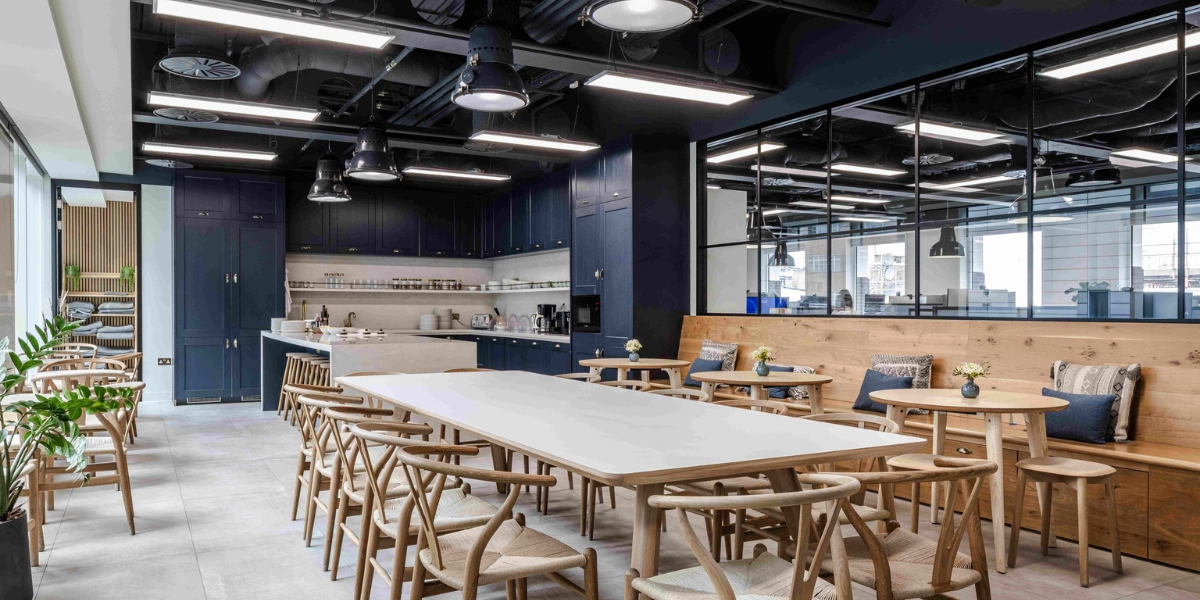
A London-based optimisation project carried out by OP for Attestor Limited has been completed, enabling the investment-manager to expand capacity within its existing prime location, according to industry publication Building Design & Construction Magazine. The transformation centred on the firm’s headquarters on Seymour Street, London, and avoided the disruption and cost associated with relocating to a larger footprint.
Tom Parsons, Managing Director at OP, described the initiative as demonstrating “how strategic space planning can generate substantial returns on investment by enabling business growth within existing assets rather than requiring additional real estate investment.” Meanwhile, David Alhadeff, Director at Attestor, said: “OP’s technical expertise and collaborative approach enabled us to accommodate our growing team within our established location without compromising on the quality of our working environment.”
By executing this change, Attestor preserved the quality of its workplace environment, enhanced team capacity and retained its strong central London address. The consultancy noted that the project is part of OP’s established track-record in the London business district for professional services clients, reflecting its deep understanding of the unique workspace demands in that market.
What exactly did the workspace optimisation involve?
The client, Attestor Limited, sought to manage team growth within their existing premises—avoiding the cost, disruption and time-delay of relocation. OP’s solution unlocked additional capacity within the Seymour Street headquarters while preserving the working environment to a level consistent with Attestor’s market positioning.
The project delivered immediate capacity and built in flexibility for future growth. According to the article: “The solution enables Attestor Limited to accommodate their growing team within their established prime location, avoiding the significant time investment and operational disruption associated with relocation.” The aim was not simply to squeeze more desks, but to strategically unlock latent space, deliver a high-quality environment, and support the firm’s high-performing culture.
Furthermore, the fact that OP has “successfully completed other projects” in the same area adds credibility to the consultancy’s ability to understand the dynamics of professional services firms operating in London’s business district.
Why did Attestor choose this approach rather than relocating?
There are multiple drivers behind the decision. First, relocation involves time, cost and potential disruption to operational performance and staff morale. The article specifically mentions that keeping the existing location enabled Attestor to avoid “significant time investment and operational disruption associated with relocation.”
Second, retaining a prime central London location is often strategic for firms in the alternative investments or professional services sector maintaining client perception, prestige and easy access for talent. Third, the approach reflects an increasingly common trend where firms seek to optimise existing real-estate assets rather than expand outwardly, especially given cost pressures and the need for flexibility in future growth. Tom Parsons’s comment that “strategic space planning can generate substantial returns on investment” underscores this strategic rationale.
For organisations offering Leadership Development or Facilities & Workplace Management programmes, this case illustrates how space strategy links to business growth and culture.
What are the implications for growth and workplace strategy?
The successful delivery of immediate capacity, while embedding flexibility for future scale, suggests a best-practice model for firms facing team growth without relocating. It underlines how workplace strategy, space planning and change management can serve as enablers of growth rather than mere cost centres.
Parsons and Alhadeff’s comments collectively highlight the interplay between technical capability (space planning, design, engineering) and collaborative partner-client working in achieving seamless transformation. The outcome “accommodate our growing team within our established location without compromising on the quality of our working environment” speaks to the importance of maintaining culture and brand in a physical workplace.
In the context of Workplace & Facilities Management training, the project exemplifies how facilities strategies contribute to operational agility and talent retention. For Corporate Leadership programmes, the case shows how leadership can manage change in the built environment as part of broader growth strategy.
Who were the key stakeholders and what did they say?
- OP: Tom Parsons (Managing Director) described the project as “demonstrating how strategic space planning can generate substantial returns on investment by enabling business growth within existing assets rather than requiring additional real estate investment”.
- Attestor Limited: David Alhadeff (Director) stated: “OP’s technical expertise and collaborative approach enabled us to accommodate our growing team within our established location without compromising on the quality of our working environment. The transformation appears seamless and intentional, supporting our high-performing culture while providing the flexibility we need for continued growth.”
These remarks underline the dual importance of strategic vision (from OP) and operational culture/investment in environment (from Attestor).
How does this fit within broader market trends?
The article notes that OP has completed other projects in the area, signalling that professional services firms in London’s business district are actively seeking workspace optimisation, not just new space.
In recent years, organisations have become more discerning about their real-estate footprint: flexibility, scalability, cost containment, employee experience, access to talent and location all matter. This case echoes that trend: optimising what is already in place, preserving a premium address and seeking strategic returns through better use of existing space.
For training programmes in Facilities & Workplace Management, this offers a timely case study of how asset optimisation can support growth without expansion. For Leadership Development, it supplies insights into how growth, culture and built-space strategy converge.
What next for Attestor and OP?
While the article does not specify detailed next-phase plans, it notes that the transformation provides flexibility for future growth requirements. This suggests that Attestor has room to scale further within the existing space, perhaps reducing the need for future relocation or additional real-estate investment, thereby improving agility.
For OP, continuing to work with professional services firms in London’s business district appears to be a strategic direction one where their expertise in workspace optimisation positions them as a partner for growth-minded organisations.
How can this be used for training or professional development?
This case presents a useful learning situation across multiple training focus areas:
- In Workplace & Facilities Management, instructors can use the case to illustrate how space-planning, change-management and workplace culture integrate.
- In Corporate Leadership, participants can reflect on how built-space decisions support strategy, growth and employee experience.
- In Operational Excellence modules, the case shows how internal asset optimisation (rather than purely external investment) can deliver ROI and scalability.
Participants could be tasked to design a similar workplace-optimisation strategy for a fictional firm, using this Attestor/OP case as a benchmark for best practice.
The workspace-optimisation project completed by OP for Attestor Limited stands as a strong example of how strategic space-planning, robust workplace design and client-consultancy collaboration can enable team-growth within existing assets, reduce disruption and preserve brand and culture. With statements from both OP’s Tom Parsons and Attestor’s David Alhadeff, the narrative is clear: growth need not automatically mean relocation, and the workplace environment remains a critical enabler of culture and performance.
As organisations navigating growth look to their workplaces as strategic assets rather than just cost centres, this case offers timely insight. For professionals engaged in leadership, workplace management or operational excellence training, it provides a real-life model to explore, dissect and learn from in their development journey.
Should you wish to explore in depth how such projects are planned, executed and measured we offer a tailored module under Workplace & Facilities Management training, aligned to current industry best-practice and workplace-strategy frameworks.