
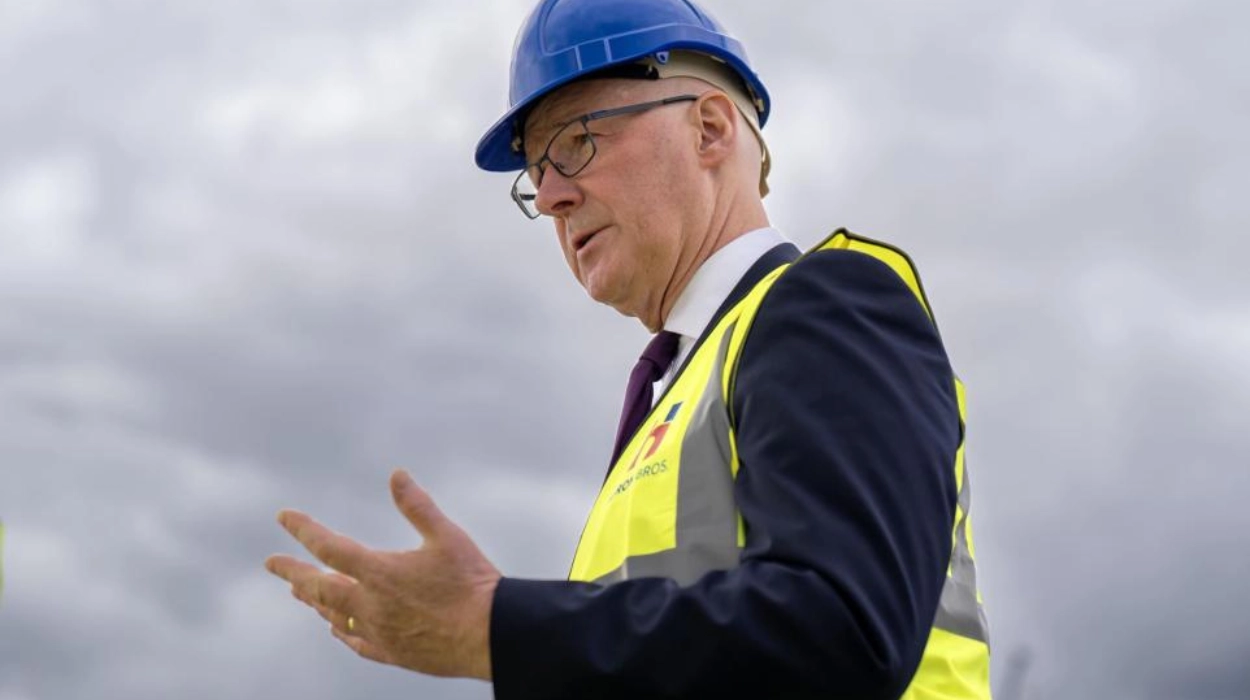
Key Points
- John Swinney, Scotland’s First Minister and SNP leader, has intensified demands for Holyrood to gain control over energy policy
- Swinney argues this is the only way to end the current “Westminster rip-off” where UK Treasury collects billions from Scotland’s seabed while Scots face higher energy bills
- Over £400 billion has been extracted from Scotland’s North Sea according to Swinney, with the money going to Westminster rather than benefiting Scottish people
- The First Minister said transferring energy powers would allow his Government to end the “hated” windfall tax on oil and gas, formally known as the energy profits levy
- Swinney claimed energy control would enable “sensible licensing decisions” on new energy projects and could cut bills across Scotland
- The announcement came ahead of Swinney’s campaigning in Aberdeen on Saturday before the Aberdeen South by-election on 18 June 2026
- Ofgem recently announced the energy price cap will rise in July, adding urgency to Swinney’s demands
- MSPs backed a call for power over the energy sector to be transferred to Scotland
- Simon Francis of the End Fuel Poverty Coalition disputed Swinney’s claim that the windfall tax is “hated”, saying polling shows voters across all parties support it
- Scottish Conservative leader Russell Findlay called Swinney’s remarks “desperate and dishonest nonsense” and “classic SNP grievance politics”
- A Department for Energy Security and Net Zero spokesperson said lowering bills remains their priority and cited the Government’s drive for clean homegrown power
- Swinney vowed the SNP will “never stand by as Westminster casts workers in Aberdeen on the scrapheap”
- The First Minister warned against allowing “Nigel Farage or the Tories” to access Scotland’s energy wealth
- Swinney said only the SNP can protect the world-class oil and gas sector while building a renewables industry alongside it
What Is Swinney’s Main Argument About Westminster’s Energy Control?
As reported by the journalist covering Yahoo News UK, John Swinney has intensified his demands for the Scottish Parliament to obtain authority over energy, asserting that this is the sole solution to eliminate the current “Westminster exploitation”. The First Minister of Scotland remarked that transferring energy powers would enable his administration to abolish the “unpopular” windfall tax on oil and gas, officially referred to as the energy profits levy.
He further claimed that such a transfer would facilitate “pragmatic licensing decisions” regarding new energy initiatives and could lead to reduced energy costs for residents throughout Scotland. Speaking directly to the issue, the First Minister emphasised: “The exploitation of our energy resources by Westminster was glaringly evident this week – Westminster governs Scotland’s energy, the UK Treasury accumulates billions from our seabed, while Scots bear the burden of elevated energy costs”.
How Much Money Has Been Extracted From Scotland’s North Sea?
According to reports by the journalist from Perspective Media, Swinney stated that “£400 billion has been syphoned off from our North Sea and the only way to break that rigged energy equation is by putting Scotland’s energy into Scotland’s hands”. This figure represents what Swinney describes as the total extraction from Scotland’s North Sea resources over the years, with the money going to Westminster rather than benefiting Scottish communities.
The First Minister continued, “Time and time again Westminster parties come to the north east not to talk about how they can support the industry, but how they can milk every last penny from Scotland while sending back nothing in return”. This statement frames Swinney’s argument that the current energy relationship between Scotland and Westminster is fundamentally unfair and rigged against Scottish interests.
Why Is This News Coming Before the Aberdeen South By-election?
As reported by the journalist covering Yahoo News UK, “The SNP leader is campaigning in Aberdeen on Saturday ahead of the Aberdeen South by-election on June 18”. The timing of Swinney’s intensified energy demands is clearly connected to the upcoming by-election, which has become a key contest over Scotland’s oil and gas future.
The vote in Aberdeen South is taking place after former SNP Westminster leader Stephen Flynn won a seat at Holyrood earlier this month. Energy is already a key issue ahead of the June 18 by-election, with Conservative leader Kemi Badenoch urging voters in the constituency to make it a referendum on the future of Scotland’s oil and gas sector. Mr Swinney’s visit on Saturday comes after the regulator Ofgem announced the energy price cap is to rise in July, and after MSPs backed a call for power over the sector to be transferred to Scotland.
What Does Swinney Say About the Windfall Tax on Oil and Gas?
As reported by the journalist from Perspective Media, “The Scottish First Minister said handing over energy powers would allow his Government to end the ‘hated’ windfall tax on oil and gas – formally known as the energy profits levy”. Swinney consistently refers to this tax as “hated,” suggesting it is unpopular with both the industry and the public.
However, Simon Francis, co-ordinator of the End Fuel Poverty Coalition, disputed Swinney’s claim that the windfall tax is “hated,” saying voters from all parties support the levy. Mr Francis said: “Politicians may parrot the oil and gas lobbyists’ line that the windfall tax is hated, but the public disagrees”. He added that “Polling in the run-up to the Scottish elections found voters across all parties supported the energy profits levy”.
Furthermore, Mr Francis noted that “following revelations that the oil and gas industry made £3 billion in profits on UK operations in the first three months of 2026, three-quarters of the population felt it is morally wrong for oil and gas companies to profit from the energy crisis caused by the Iran war”. This presents a direct challenge to Swinney’s narrative about the windfall tax.
How Have Political Rivals Responded to Swinney’s Claims?
As reported by the journalist from Perspective Media, Scottish Conservative leader Russell Findlay said: “John Swinney is fooling no-one with his desperate and dishonest nonsense. This is classic SNP grievance politics”. Findlay added that “Voters know that the SNP, just like Labour, oppose new drilling in the North Sea”.
The Conservative leader continued, “The SNP demanded a windfall tax, Labour have extended it, while we would scrap it. Only the Scottish Conservatives can beat the SNP in Aberdeen South”. This response directly counters Swinney’s argument and positions the Conservatives as the alternative to the SNP in the upcoming by-election.
What Is the UK Government’s Position on Energy Bills and Control?
As reported by the journalist from Perspective Media, a spokesperson for the Department for Energy Security and Net Zero said: “Our number one priority is lowering bills, which remain high because wholesale costs, the single largest component of the price cap, are higher than their historic levels”. The spokesperson acknowledged that “Oil and gas production will be with us for decades to come, and we will manage existing fields for the entirety of their lifespan – while actively scaling up clean energy industries in the North Sea”.
The UK Government spokesperson concluded, “The way to get bills down for good is with this Government’s drive for clean homegrown power we control, bringing investment and up to 40,000 new jobs in Scotland by 2030”. This positions the UK Government’s approach as focused on clean energy development rather than transferring control of existing oil and gas resources.
What Does Swinney Say About Protecting Aberdeen’s Oil and Gas Industry?
As reported by the journalist from Perspective Media, Swinney vowed the SNP will “never stand by as Westminster casts workers in Aberdeen on the scrapheap”. The First Minister said the SNP could “protect the world-class oil and gas sector we have today and build another world-class renewables industry right by its side”.
Hitting out at his political rivals, the First Minister added: “We cannot allow Nigel Farage or the Tories to get their hands on our energy wealth here in Aberdeen South. Only the SNP can beat them both and ensure our natural resources are used to the benefit of the people of Scotland”. This statement frames the upcoming by-election as a contest over who will control Scotland’s energy resources and who will benefit from them.
How Does This Debate Fit Into Scotland’s Broader Energy Goals?
As reported by the journalist covering Yahoo News UK, the Scottish Government has set ambitious renewable energy targets, aiming to “generate the equivalent of 50% of Scotland’s overall energy consumption from renewable sources by 2030, and by 2045 we aim to have decarbonised our energy system”. This demonstrates Scotland’s commitment to transitioning toward cleaner energy sources while maintaining its oil and gas industry.
The Scottish Government’s Directorate for Energy and Climate Change oversees these policies, with the business management unit DLECONPDECCOTM responsible for implementation. This institutional framework shows that Scotland already has significant energy policy development capabilities, even without full control over energy pricing and taxation.
What Does This News Mean for the Future of Energy Policy in Scotland?
The escalation of Swinney’s demands for energy control represents a significant moment in Scotland’s constitutional debate. As reported by the journalist from Perspective Media, Swinney concluded his remarks with: “Instead of Scotland’s energy working for Westminster, it’s time that our energy worked for our people”. He added, “By putting Scotland’s energy in Scotland’s hands we can end the hated tax on our energy, we can take sensible licensing decisions based on Scotland’s needs, but most importantly we can lower bills for people living in our energy rich land”.
This debate will continue to shape the political landscape in Scotland, particularly as the Aberdeen South by-election approaches on 18 June 2026. The outcome of this by-election could influence the broader conversation about energy control and Scotland’s constitutional future.