
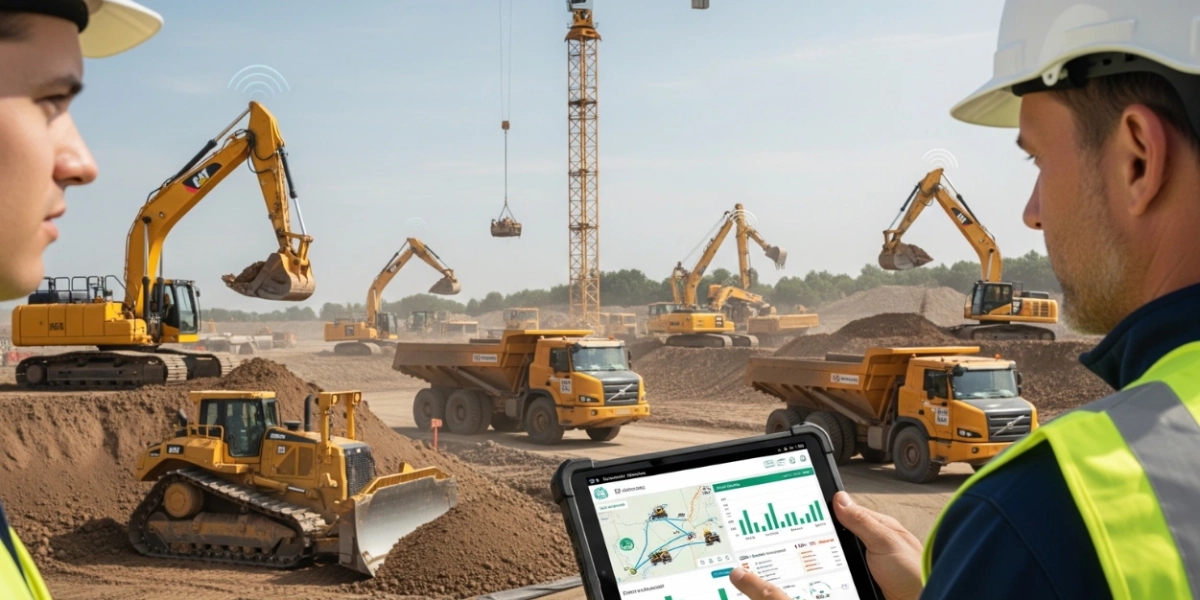
Telematics refers to the integrated use of telecommunications and informatics to remotely monitor and manage vehicles, equipment, and assets. In the construction industry, telematics systems blend GPS tracking, vehicle diagnostics, wireless communication, and cloud-based dashboards to provide a comprehensive, real-time view of an entire fleet’s health, movement, and performance on or off-site. These tools offer construction managers actionable data on fuel usage, engine hours, maintenance schedules, location, operator behavior, and much more.
Real-Time Asset Tracking and Utilization
A core benefit of telematics is real-time asset visibility. Construction projects often involve hundreds of pieces of equipment spread over large areas. Through telematics devices installed in vehicles and equipment, managers can instantly track each asset’s exact location using GPS, which reduces the risk of theft and improves asset allocation across jobs. Companies report that knowing equipment locations at all times has helped cut equipment losses by up to 30%, as well as reduce unnecessary overtime by optimizing the work allocation.
Beyond preventing theft, telematics data enables smarter deployment decisions. Idle time and engine-hour metrics help spot underutilized machinery, allowing fleet managers to redeploy or right-size their assets as needed, ensuring that the right equipment is on the right site at the right time.
Boosting Efficiency and Lowering Operational Costs
Telematics enhances fleet efficiency through a sophisticated feedback loop of data and analytics. Real-time diagnostic reports can deliver early warnings of potential equipment issues or required maintenance, allowing companies to address problems before costly breakdowns occur, which can reduce unplanned downtime by over 40%.
Integrating telematics solutions with fuel monitoring allows for a 15–20% improvement in fuel efficiency by identifying patterns of excessive idling, harsh acceleration, or inefficient route planning. This can yield significant savings, considering that fuel ranks as one of the largest operating expenses for construction fleets second only to labor cost. Firms using telematics have also experienced up to 12% reduction in insurance premiums, as better monitoring and compliance decrease the risk of accidents.
Proactive Maintenance Scheduling
Telematics has revolutionized preventive maintenance strategies. Rather than relying on static, time-based service schedules, telematics gathers and analyzes real engine data and fault codes from each vehicle or equipment piece. Intelligent systems can automatically alert maintenance teams when an asset approaches a critical engine hour threshold or exhibits early signs of wear, dramatically reducing catastrophic failures and extending equipment lifecycles.
For example, research published in Automation in Construction shows that telematics-driven fleet maintenance can improve equipment uptime by up to 25%, directly impacting project timelines and profitability. Early maintenance alerts also enable construction firms to better plan technician workloads and manage spare part inventories.
Enhanced Safety and Compliance
Safety is paramount in construction, and telematics serves as a digital watchdog for fleet operator behavior. Systems continuously monitor metrics like speeding, sharp turns, harsh braking, seatbelt use, and compliance with Hours of Service (HOS) regulations. Detailed safety reports highlight unsafe conduct, allowing for targeted training and policy enforcement. According to a 2024 study by the Associated Equipment Distributors, companies that leverage telematics for safety monitoring saw a 22% reduction in operator incidents and insurance claims.
Furthermore, telematics generates digital compliance records, which streamline reporting for government regulations related to emissions, safety, and maintenance a process that can otherwise consume hundreds of labor hours annually.
Data-Driven Project Management and Decision-Making
Construction fleet telematics platforms are not just tracking tools they are powerful data hubs for business intelligence. By aggregating location, usage, and health data from dozens or hundreds of assets, telematics enables managers to:
- Accurately forecast project equipment needs
- Automate job costing based on real usage data
- Identify opportunities to rent, lease, or sell fleet assets at optimal times
- Benchmark projects for resource efficiency and cost overruns
- Integrate asset management with enterprise resource planning (ERP) systems
In practice, this means fewer project delays due to equipment shortages, fewer bottlenecks in dispatching, and a substantial reduction in administrative workload for fleet coordinators.
Telemetics and Industry Innovation
The latest advancements in telematics leverage machine learning and artificial intelligence to predict mechanical failures, recommend optimal routes, and even automate compliance reporting. Leading construction telematics providers such as Samsara, Geotab, Verizon Connect, and Teletrac Navman are continuously innovating, providing construction businesses with scalable, cloud-based solutions that integrate seamlessly into modern workflows.
A comprehensive review in the Journal of Construction Engineering and Management notes that the future of telematics will likely see greater integration with Internet of Things (IoT) devices, cementing its role as the “digital nervous system” of modern construction fleets.
Key Statistics and Outcomes
- Companies adopting telematics experience a 30% reduction in equipment theft
- Maintenance downtime improved by up to 25% with predictive alerts
- Up to 20% savings in fuel costs due to better routing and idling control
- Around 22% fewer operator safety incidents reported
- 10–15% reduction in overall operational costs, according to studies cited in the International Journal of Construction Management
Telematics in Action: Case Studies
- A mid-sized contractor implemented telematics across its mixed fleet and reduced idle time by 40 hours per week, translating into USD 12,000 annual fuel savings.
- A large infrastructure project used telematics data to optimize haul truck routes, cutting project duration by two weeks and reducing overtime by 15%.
Connect with Imperial Corporate Training Institute (ICTI)
Staying ahead of industry innovations like telematics demands strong technical training, compliance awareness, and strategic fleet management skills. At Imperial Corporate Training Institute (ICTI), our expert-led courses in construction management equip businesses and professionals to leverage telematics and other cutting-edge solutions confidently. Explore our Construction Management training programs or browse all ICTI categories for the latest in corporate and technical workforce skills.