
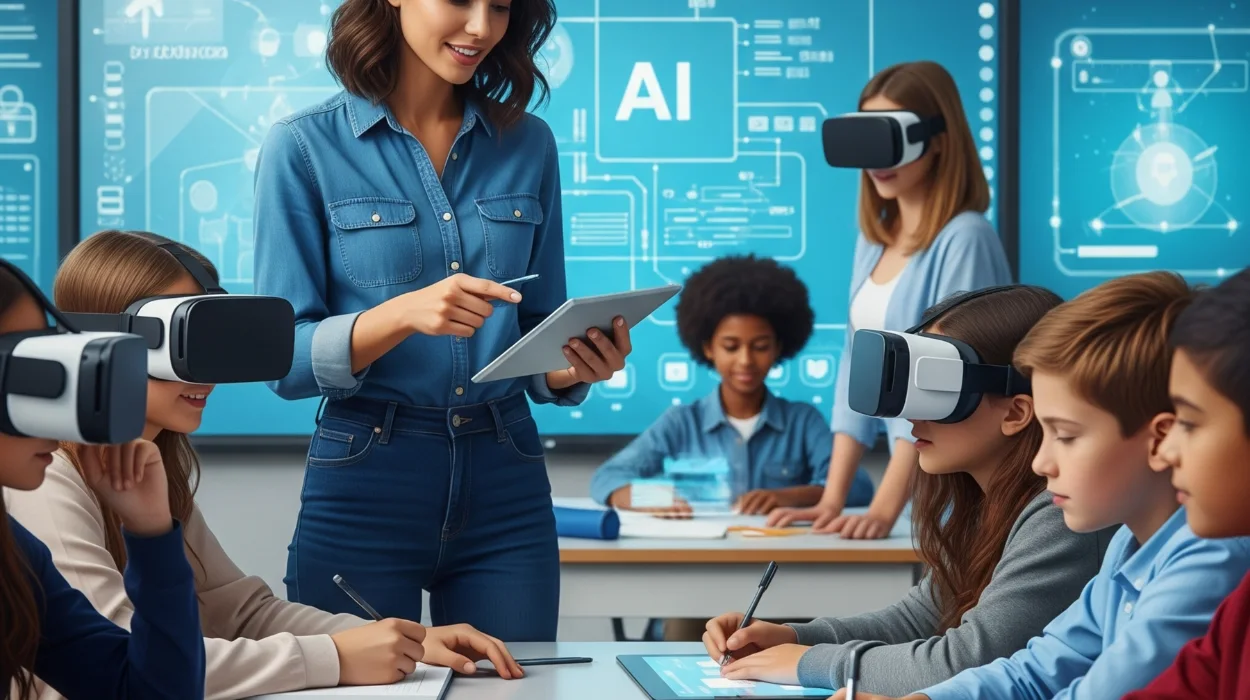
Artificial Intelligence (AI) is one of the most transformative technologies of the 21st century, reshaping industries, economies, and daily life. At its core, AI refers to computer systems or machines designed to perform tasks that typically require human intelligence, such as understanding language, recognizing patterns, making decisions, and learning from data. Today, AI is embedded in various real-world applications from virtual assistants and recommendation engines to autonomous vehicles and scientific research tools revolutionizing how we interact with technology and the environment.
Understanding Artificial Intelligence: Core Concepts
Artificial Intelligence encompasses a broad range of technologies and approaches aimed at enabling machines to mimic cognitive functions. These include:
- Machine Learning (ML): A subset of AI focused on algorithms that improve performance with experience. ML models learn patterns from data to make predictions or decisions without explicit programming for every task.
- Deep Learning: An advanced form of ML using neural networks with many layers, enabling complex pattern recognition such as image and speech recognition.
- Natural Language Processing (NLP): Technology that allows machines to understand, interpret, and generate human language, powering chatbots, translators, and virtual assistants.
- Computer Vision: Enables machines to interpret and analyze visual data from the world, supporting applications like facial recognition and autonomous driving.
- Generative AI: Systems capable of producing new content such as text, images, and music based on learned data patterns, exemplified by AI art generation and language models.
- Agentic AI: Emerging AI that can autonomously plan and execute multistep workflows, acting as “virtual coworkers” capable of adapting to new tasks independently.
These components work together to create AI systems capable of complex, adaptive, and autonomous behaviors.
How AI Works in Practice: Real-World Applications
The impact of AI extends across diverse sectors, driving innovation and enhancing human capabilities:
- Healthcare: AI accelerates diagnostics, drug discovery, and personalized medicine. For example, AI-driven protein simulations enable faster exploration of biomolecular dynamics, helping in life-saving drug development.
- Finance: AI algorithms analyze vast datasets to detect fraud, assess credit risks, and automate trading, increasing efficiency and security.
- Manufacturing: Intelligent robots and autonomous systems optimize production lines by adapting to changing conditions and reducing downtime.
- Energy and Sustainability: AI optimizes energy systems, facilitating smart grids and predictive maintenance that advance climate technology goals.
- Customer Service: Chatbots and virtual assistants provide 24/7 support, improving user experience and operational scalability.
- Transportation: Autonomous vehicles and logistics robots enhance safety and efficiency in moving goods and people.
AI applications are increasingly collaborative, integrating human intent with machine intelligence through natural interfaces such as voice commands and sensor-enabled devices, fostering new forms of human-machine interaction.
The Evolution and Trends of AI in 2025
AI technology is evolving rapidly, with significant trends shaping its future:
- The blending of applied AI and generative AI creates more capable and versatile AI models that can perform a broad range of tasks across industries.
- Agentic AI is emerging as a major focus, with virtual agents capable of autonomous decision-making and complex workflow management becoming prevalent.
- AI models are becoming faster, more efficient, and specialized, enhancing both general-purpose and domain-specific applications.
- There is an increasing emphasis on responsible AI innovation, including trust-building, ethical use, and customizable controls that organizations can tailor to their needs.
- AI is propelling scientific breakthroughs, with advances in fields such as bioengineering, sustainable materials, and climate science.
- The combination of AI with robotics is driving the rise of autonomous systems capable of learning, adapting, and collaborating in dynamic environments.
These trends indicate that AI’s role will continue expanding, deeply integrating into both enterprise operations and everyday life.
AI’s Societal Impact and Challenges
The transformative power of AI brings both opportunities and responsibilities:
- Economic Growth and Productivity: AI drives efficiencies and new capabilities, potentially creating large economic value. However, it also disrupts labor markets, requiring new skills and workforce adaptations.
- Ethical and Privacy Concerns: As AI systems interact more with personal data and make significant decisions, safeguarding privacy and ensuring fairness become critical.
- Trust and Transparency: User acceptance hinges on transparent AI models and clear communication about how decisions are made.
- Regulation and Governance: Governments and organizations are actively developing frameworks to manage AI risks while fostering innovation.
- Accessibility and Equity: Ensuring broad access to AI benefits and mitigating biases remain ongoing priorities.
Addressing these challenges is essential for sustainable AI adoption and maximizing societal benefits.
Data and Statistics Highlighting AI’s Growth
- AI investment and adoption continue to surge globally, with annual equity investments in AI startups reaching tens of billions of dollars.
- Approximately 50% of enterprises reported substantial AI adoption in core business processes by 2025.
- The AI-powered automation market is projected to grow at a compound annual growth rate (CAGR) exceeding 40% over the next five years.
- Large language models now contain hundreds of billions of parameters, enabling highly sophisticated language understanding and generation.
- Surveys indicate that businesses leveraging AI effectively improve operational efficiency by 20-30% and drive revenue growth through enhanced customer engagement and product innovation.
These data points underscore the accelerating integration and impact of AI technology worldwide.
Enhance Your AI Skills with Imperial Corporate Training Institute
In the rapidly evolving world of AI, staying updated with the latest knowledge and skills is vital. Imperial Corporate Training Institute (ICTI) offers specialized corporate training programs designed to empower professionals and organizations with cutting-edge AI expertise. Our comprehensive courses cover AI fundamentals, machine learning, deep learning, and practical applications in various industries.
Enroll now at ICTI to gain competitive advantage, enhance your team’s capabilities, and lead innovation initiatives confidently. Explore our artificial intelligence training category for detailed course offerings and learn how ICTI can support your professional growth
https: //imperialtraining.org/training-category/artificial-intelligence/
.
Artificial Intelligence is not just a technological trend but a foundational force reshaping the way we work, live, and solve problems in the real world. Understanding how AI works and embracing its potential ensures readiness for the future of business and society.
Explore more training opportunities with ICTI’s broad range of categories to boost your corporate knowledge and skills for the digital age