
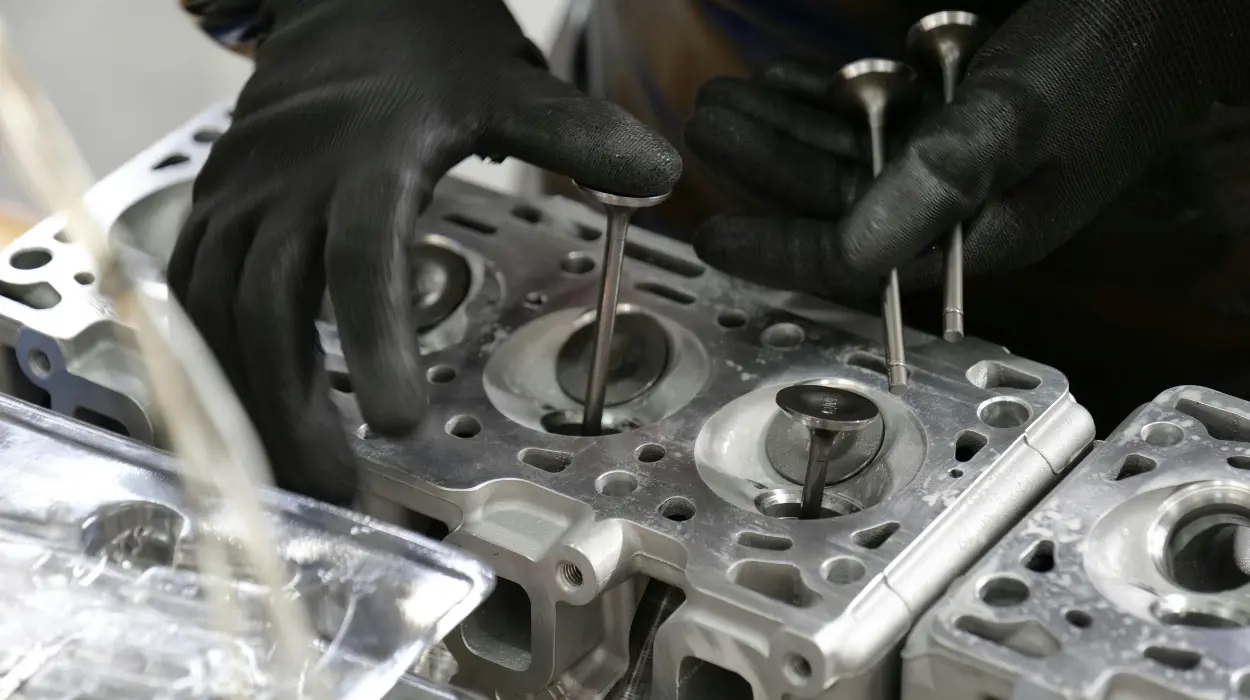
Mechanical engineering is one of the oldest and broadest engineering disciplines, essential to countless industries worldwide. This guide provides a comprehensive introduction to mechanical engineering for students and beginners, covering its fundamentals, essential skills, industry trends, and career pathways. It also highlights critical data and developments shaping the field through 2025 to offer readers an insightful, SEO-friendly overview.
Understanding Mechanical Engineering
Mechanical engineering focuses on the design, analysis, manufacturing, and maintenance of mechanical systems. It integrates principles of physics, materials science, and mathematics to develop devices and machines that solve real-world problems. Students learn core subjects such as mechanics, thermodynamics, fluid dynamics, materials engineering, and control systems.
With roots dating back to the Industrial Revolution, mechanical engineering remains vital across many sectors including automotive, aerospace, energy, robotics, and manufacturing. According to data from engineering education reports, mechanical engineering consistently ranks as one of the most popular and in-demand specializations globally for engineering students due to its versatility and broad application scope.
Key Skills and Competencies
For students entering mechanical engineering, mastering both technical and soft skills is crucial:
- Fundamental knowledge of physics, calculus, and computer-aided design (CAD) tools.
- Proficiency in software such as SolidWorks, AutoCAD, MATLAB, and simulation tools.
- Problem-solving with analytical thinking to optimize designs and enhance system performance.
- Familiarity with manufacturing processes, materials selection, and sustainability principles.
- Communication and teamwork to collaborate effectively across multidisciplinary engineering projects.
In 2025, there is an increasing emphasis on integrating emerging technologies like artificial intelligence (AI), machine learning (ML), and automation into mechanical engineering workflows. Engineers are expected to leverage AI for design optimization, predictive maintenance, and enhancing manufacturing efficiency, boosting demand for interdisciplinary skills combining mechanical engineering and data analytics.
Industry Trends and Innovations
Mechanical engineering is rapidly evolving with technological advancements, impacting how students train and professionals operate:
- Artificial Intelligence & Machine Learning Integration: AI-driven tools now assist in design simulations, fault detection, and predictive analysis, making engineering processes smarter and faster.
- Automation and Robotics: Robotics technologies are revolutionizing manufacturing lines with precision and efficiency, requiring mechanical engineers to understand mechatronics.
- Sustainable Engineering: Focus on renewable energy systems, energy efficiency, and eco-friendly materials is propelling research and practical applications within mechanical engineering.
- Augmented Reality (AR) and Virtual Reality (VR): These technologies are used extensively for training, design visualization, and remote collaboration, enhancing learning and project outcomes.
- Advanced Materials: Research into lightweight composites, smart materials, and nanomaterials opens new possibilities in engineering stronger, more durable, and adaptable components.
According to recent industry reports, mechanical engineers incorporating these trends receive better job prospects and higher salaries. For example, automation and AI-augmented roles are projected to grow at a 15% faster rate than traditional engineering jobs through 2030.
Educational Pathways and Certifications
Mechanical engineering education typically begins with a bachelor’s degree in mechanical engineering or a related discipline. Accredited programs provide fundamental theory, laboratory experience, and project work. Many students pursue internships to gain practical exposure.
Advanced degrees (masters and PhDs) allow specialization in areas like robotics, aerospace, or energy systems. Professional certifications such as the Professional Engineer (PE) license, Six Sigma, and certifications in CAD software strengthen employability and competence.
Popular online platforms and corporate training institutes increasingly offer specialized short courses and certifications aligned with current industry needs. Such programs enable working professionals and students to upskill in AI applications, CAD mastery, and sustainable design practices.
Career Opportunities and Salary Insights
Mechanical engineering graduates have access to diverse career paths including design engineering, manufacturing, research and development, quality assurance, and project management. Industries hiring mechanical engineers span automotive, aerospace, defense, energy, HVAC, and consulting.
According to employment data from engineering bodies, the median annual salary for mechanical engineers in developed economies ranges from $70,000 to $95,000, with higher earning potential in specialized fields or leadership roles. Job growth is expected to remain steady, fueled by evolving technologies and infrastructure demands.
Continuous learning and industry engagement are crucial to long-term success. Networking through professional societies such as ASME (American Society of Mechanical Engineers) opens avenues for knowledge sharing and career advancement.
Training and Upskilling for 2025 and Beyond
Mechanical engineering education and training are adapting to meet 2025 challenges:
- AI-powered personalized learning platforms tailor curriculum to students’ progress and skill gaps.
- Virtual labs and simulations enable risk-free experimentation, improving comprehension and engagement.
- Collaboration tools facilitate remote teamwork reflecting modern engineering project realities.
- Upskilling in AI, robotics, and sustainable engineering principles is increasingly essential for employability.
Imperial Corporate Training Institute (ICTI) is at the forefront of delivering industry-aligned mechanical engineering training designed for students and professionals seeking to excel in this dynamic field. Our comprehensive programs integrate the latest trends, technologies, and best practices to prepare learners for future-ready careers. Visit the engineering training category at ICTI
Here: https://imperialtraining.org/training-category/
to explore courses that elevate your skills and employability.
ICTI offers:
- Expert-led training modules on fundamental and advanced mechanical engineering topics.
- Hands-on projects using modern CAD, simulation, and automation tools.
- Flexible learning formats including online, in-person, and blended options.
- Career support and certification guidance to boost professional growth.
Start transforming your mechanical engineering career today by enrolling at ICTI https://imperialtraining.org/
and gain access to cutting-edge training designed for the demands of 2025 and beyond.
Internal Linking for SEO
Enhancing your understanding of engineering fundamentals can be further supported by exploring other related training categories on the ICTI platform
Here: https://imperialtraining.org/training-category/engineering/
. These include courses in electrical engineering, civil engineering, and data analytics, all pivotal for a multidisciplinary approach to modern engineering challenges.
Mechanical engineering remains a cornerstone of innovation and industrial progress. For students and beginners, building a solid theoretical foundation along with practical skills in AI, CAD, and sustainable engineering is essential to thrive in this evolving field. Staying updated with technological trends, engaging in continuous learning, and pursuing professional certifications unlock expansive career opportunities with competitive salaries.
Imperial Corporate Training Institute (ICTI) provides top-tier mechanical engineering corporate training designed to equip learners with the expertise and confidence to succeed in a technology-driven industry. Explore ICTI’s engineering training offerings today and take your first step toward a rewarding mechanical engineering career.