
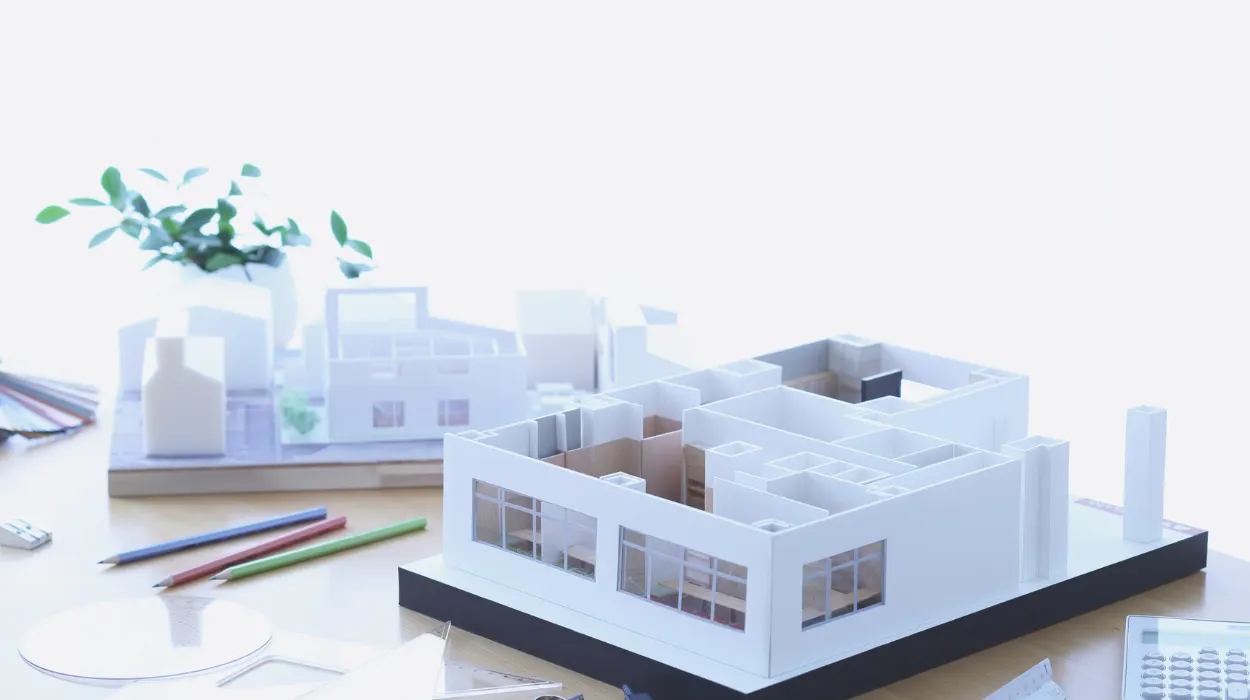
Building Information Modeling (BIM) has emerged as a transformational force in the architecture, engineering, and construction (AEC) industries. By leveraging sophisticated digital tools, BIM redefines how project teams collaborate, visualize, and manage built assets from concept to demolition. With global mandates and exponential adoption rates, understanding BIM is not just advantageous, it’s essential for modern professionals, businesses, and organizations seeking efficiency, accuracy, and competitive edge in project delivery.
The Essence of BIM
BIM is much more than digital drawing software. It is a collaborative, intelligent process for creating and managing digital representations of physical and functional characteristics of architecture, infrastructure, and construction projects. These digital models serve as living, evolving databases that function as the project’s “digital twin” throughout its lifecycle from design and construction to operation and maintenance.
- BIM models incorporate geometry, spatial relationships, geographic data, quantities, specifications, and properties for every component in a project.
- Every change in the model is instantly reflected across relevant documentation, supporting rapid, informed decisions.
- BIM fosters a Common Data Environment (CDE), allowing all stakeholders to access, share, and manage information transparently.
The Evolution of BIM
Originally conceived in the late 20th century, BIM technology has evolved from simple computer-aided design (CAD) tools to complex, interoperable platforms that integrate real-time collaboration, clash detection, and intelligent data structures. Mandates by governments—especially in the UK, Singapore, and several European countries—have led to widespread BIM adoption, making it a global industry standard.
Dimensions and Levels of BIM
BIM Dimensions
BIM models encompass multiple dimensions, each adding unique value:
- 3D BIM: Visual geometry and design coordination.
- 4D BIM: Integration of time, enabling project phasing and construction scheduling.
- 5D BIM: Embeds cost estimation directly into the model, allowing dynamic budget management.
- 6D BIM: Incorporates sustainability and energy analysis.
- 7D BIM: Supports facility and asset management with operational data for post-construction use.
Levels of Development
The Level of Development (LOD) of a BIM model defines its reliability at different project stages:
- LOD 100: Conceptual massing, shapes, and volumes.
- LOD 200: Approximate geometry with broad information.
- LOD 300: Detailed, precise geometry and system information.
- LOD 400: Fabrication details for installation.
- LOD 500: As-built conditions verified by field measurements.
Key Components of BIM
3D Modeling
At the core, 3D modeling provides a detailed visual representation of a building, capturing architectural, structural, and MEP (Mechanical, Electrical, Plumbing) elements. These models enhance visualization, coordination, and early detection of design issues.
Data Integration
Every BIM element contains embedded technical, material, and operation data. This comprehensive structure allows for automatic data extraction, supporting cost estimation, scheduling, and maintenance planning.
Collaboration
A centralized digital platform facilitates collaboration among architects, engineers, contractors, and suppliers, reducing miscommunication and errors.
Lifecycle Planning
BIM supports the entire lifecycle of an asset from initial design, through construction and commissioning, all the way to facility management and eventual decommissioning.
Workflow and Project Lifecycle
Planning and Design Phase
- Conceptualization: Early 3D modeling for stakeholder engagement and feasibility analysis.
- Space Planning: Digital exploration and optimization of space utilization.
- Detailed Design: Automated generation of drawings and documents, facilitating precise design development.
- Analysis and Simulation: Robust tools for energy, structure, and clash analysis enable proactive decision-making and risk reduction.
Construction Phase
- Clash Detection: Automated identification and resolution of system conflicts before construction begins, saving time and money.
- Sequencing: 4D BIM visualizes construction phases, optimizing scheduling and resource allocation.
- Cost Control: 5D BIM allows dynamic cost estimation as designs evolve and materials change.
Operation and Maintenance Phase
- Facility Management: BIM models support space management, asset tracking, and maintenance scheduling.
- Maintenance and Upgrades: Easily accessible building information streamlines repairs and renovations.
- Sustainability: End-of-life planning is enhanced by comprehensive records and analysis for recycling or demolition.
BIM Deliverables
- 3D intelligent BIM models
- Construction sequencing animations
- Cost estimation reports
- Facility management databases
- Virtual tours for stakeholder engagement
- As-built documentation for asset handoff
Benefits of BIM
Enhanced Efficiency and Collaboration
- Improved communication through shared digital models.
- Real-time updates minimize misinterpretation and rework.
- Teams work together in a unified environment, accessing up-to-date information any time.
Cost and Time Savings
- BIM-enabled clash detection reduces onsite errors and project delays.
- Accurate, automated quantity takeoffs streamline material procurement and budgeting.
- Studies show BIM can reduce construction costs by up to 33% and cut project delivery times in half for certain government projects.
Increased Quality and Safety
- Early detection of design flaws and risks.
- Automated safety simulations and analysis.
- Improved adherence to regulations and standards.
Sustainability and Green Building
- Integrated energy, water, and waste analysis tools.
- Lifecycle assessments create more resource-efficient and environmentally friendly structures.
Healthcare
Hospitals use BIM for efficient design, maintenance, and upgrades, reducing operational disruptions and improving patient experiences.
Education
Universities apply BIM for lifecycle management, optimizing energy use, and supporting ongoing building improvements.
Commercial
Large office developments rely on BIM for seamless coordination among multiple stakeholders, from design teams to facility managers.
Challenges in BIM Implementation
Despite its transformative value, BIM implementation can be hampered by:
- Upfront investment in software, hardware, and training.
- Limited in-house expertise, especially in smaller firms.
- Perceived complexity and resistance to change among long-term industry professionals.
Overcoming Barriers
- Strategic training and upskilling.
- Leveraging specialized BIM consultants.
- Starting with pilot projects to gain experience and prove ROI.
Why Invest in BIM Education?
- Keeps engineers, architects, and managers up-to-date with evolving industry standards and best practices.
- Increases employability and opens doors to new career paths.
- Ensures company teams leverage BIM for better decision-making and project success.
Key Skills Taught in BIM Course
- 3D and advanced multi-dimensional modeling
- Project sequencing and construction simulation
- Clash detection and model coordination
- Data integration and facility management operations
Future Trends in BIM
- Greater integration with artificial intelligence for automated design and error checking.
- Expansion into smart cities and intelligent infrastructure projects.
- Increasing use of BIM for sustainability and energy optimization.
Getting Started with BIM
Embarking on the BIM journey requires:
- Choosing the right platform and software
- Building a skilled team through structured training
- Setting clear objectives with a BIM Execution Plan (BEP)
- Engaging with industry bodies and forums for ongoing professional development
CTA: Advance Your Career with Imperial Corporate Training Institute (ICTI)
Unlock the power of BIM and future-proof your career with expert-led courses at Imperial Corporate Training Institute (ICTI). Our programs offer:
- Hands-on instruction in industry-standard BIM platforms and workflows.
- Real-world case studies and practical simulations.
- Certifications recognized by global employers.
- Personalized learning tracks for individuals and corporate teams.
Explore our engineering training offerings:
Engineering Training Courses at ICTI
and discover all the fields we cover here:
.
ICTI’s BIM training ensures you develop the skills needed to lead change, drive innovation, and deliver smarter, more sustainable projects. Contact us to enroll and take your expertise forward in the digital construction era!