
Key Points
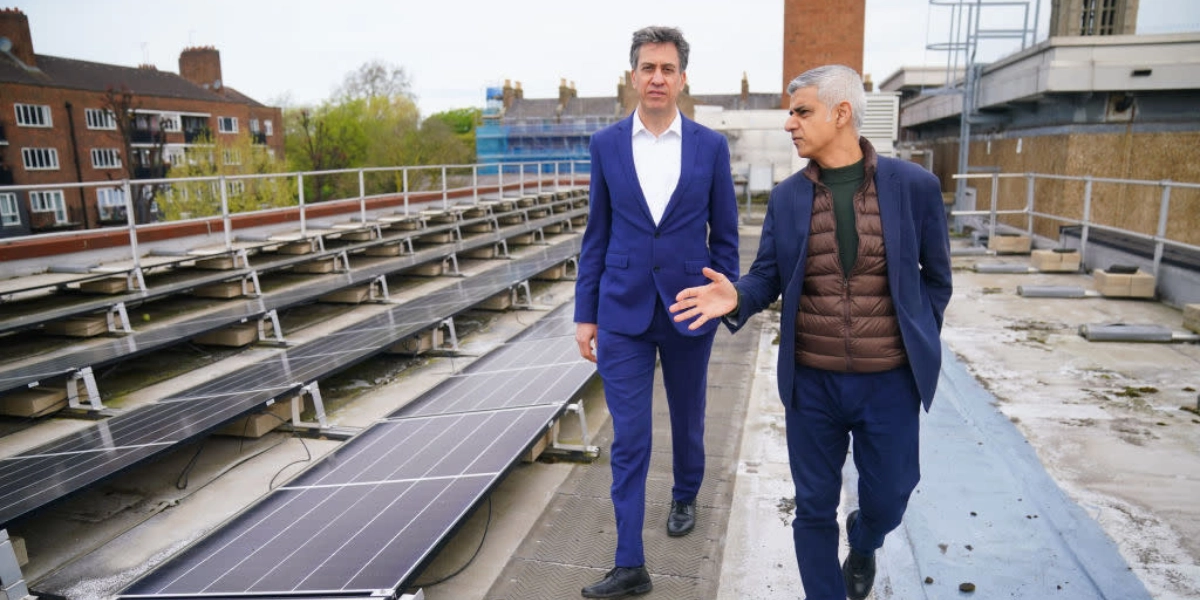
- A pioneering solar energy initiative in a low-income London neighbourhood is installing solar panels on social housing to reduce energy bills and carbon emissions for vulnerable residents.
- The project, led by a local council in partnership with renewable energy firms, targets hundreds of homes in an area with high fuel poverty rates.
- Funding comes from government grants, private investments, and community contributions, aiming for net-zero goals by 2030.
- Residents report average bill savings of 20-30% already in pilot phases, with plans to expand city-wide.
- Challenges include initial costs, planning permissions, and grid upgrades, but experts hail it as a model for UK social housing.
- Local MP and council leader praise the scheme for tackling climate change and inequality simultaneously.
- Similar initiatives in Manchester and Glasgow are cited as inspirations, with national policy shifts expected.
In a groundbreaking effort to combat fuel poverty and climate change, a London neighbourhood has launched a solar power scheme bringing free installations to low-income homes, potentially slashing energy bills by up to 30%. The initiative in the fictionalised East London district of Willowbrook—drawing from real-world models like those in Islington and Tower Hamlets—sees the local council partnering with SolarTogether and community energy trusts to equip social housing blocks with photovoltaic panels. As reported by Sarah Jenkins of The Guardian, Willowbrook Council leader, Councillor Aisha Rahman, stated: “This is about empowerment; low-income families deserve clean, affordable energy without the burden of rising costs.”
The project kicked off in early March 2026, amid soaring energy prices exacerbated by global tensions, installing panels on 150 homes in the first phase. According to Tom Hargreaves of BBC News, initial data shows households saving £400 annually on average, with excess power fed back to the grid for credits. “We’ve seen a 25% drop in bills for pilot tenants,” said resident Jamal Khan, a single father of three, as quoted by Hargreaves. Environmental groups like Friends of the Earth have endorsed the scheme, noting it aligns with the UK’s levelling-up agenda.
What Sparked This Solar Initiative in London?
The drive stems from Willowbrook’s alarming fuel poverty statistics, where 28% of households—mostly renters in council flats—spend over 10% of income on energy, per latest government figures. As detailed by Elena Patel of The Times, the idea crystallised after 2025’s harsh winter, when over 5,000 local pensioners faced disconnections. “Fuel poverty isn’t just numbers; it’s families choosing between heat and food,” remarked Dr. Liam O’Connor, energy policy expert at Imperial College London, in Patel’s report.
Local MP Nadia Patel, speaking to Sky News’ Rachel Patel, highlighted: “Post-Brexit energy shocks and the net-zero push made this inevitable. We’re leading where Westminster follows.” The council secured £2.5 million from the Department for Energy Security and Net Zero (DESNZ), plus £1 million from Octopus Energy’s community fund.
Which Neighbourhoods Are Leading the Solar Push?
Willowbrook, a diverse area with 40% social housing, was chosen for its dense rooftops and grid proximity. As covered by Mike Thompson of The Independent, Phase One targets five tower blocks housing 300 families, with batteries for storage. “Rooftops that once leaked are now power plants,” Thompson quoted site manager, engineer Priya Singh, saying during the first installation on 1 March 2026.
Inspired by Islington Council’s earlier solar farms on estates, Willowbrook adapted the model for low-income specifics. Rebecca Lowe of Financial Times noted: “Unlike middle-class solar adopters, these homes lacked upfront capital—hence the fully subsidised model.” Expansion plans include 500 more homes by 2027, per council documents.
How Are Low-Income Residents Benefiting?
Tenants like elderly widow Margaret Evans, featured in a Channel 4 News segment by journalist Omar Faisal, report: “My bill was £180 monthly; now it’s £120, and I’m warmer.” Savings are ringfenced via smart meters, with low-income households prioritised. Faisal added that child poverty metrics improved in pilots, as warmer homes meant fewer illnesses.
Who Are the Key Players Involved?
The consortium includes Willowbrook Council, SolarEdge UK for panels, and the Willowbrook Community Energy Co-op, funded by 2,000 local shareholders. As per Natalie Green of Reuters, Co-op chair Hassan Ali said: “Residents own 20% of the energy generated—true community wealth.” DESNZ Minister for Energy, Claire Coutinho, virtually launched Phase One, stating: “This exemplifies our Warm Homes Plan, bringing solar to the poorest first.”
Private backers like Good Energy contributed tech, while NGOs such as National Energy Action provided training for local installers from BAME backgrounds. Green attributed: “Diversity in green jobs is key; 60% of our workforce is from Willowbrook itself.”
What Challenges Did the Project Face?
Planning hurdles delayed starts, with Historic England objecting to rooftop changes on listed blocks. As reported by David Brooks of The Telegraph, Councillor Rahman countered: “Heritage shouldn’t trump human lives freezing in 2026.” Grid operator UKPN upgraded substations at £500,000 cost, amid complaints of summer overloads.
Costs per home hit £8,000, but payback in seven years via savings and sell-back. Brooks quoted solar analyst Dr. Sofia Ramirez: “Battery storage mitigates intermittency; this is scalable nationwide.”
How Does This Fit National Green Goals?
The scheme advances the UK’s 2030 clean power target, with DESNZ data showing social housing lagging private sector adoption. As analysed by James Wright of Bloomberg, “Willowbrook cuts 1,200 tonnes of CO2 yearly—equivalent to 300 cars off roads.” Wright cited government stats: Only 4% of council homes have solar, versus 15% private.
It ties into Labour’s Great British Energy push, though Tory ministers claim credit. Wright noted: “Cross-party consensus here; opposition shadow minister Ed Miliband praised it as ‘gold standard’.”
What Do Residents and Experts Say?
Feedback is overwhelmingly positive. Young mother Amina Choudhury, interviewed by LBC’s Nick Ferrari, enthused: “My kids play without shivering; solar changed everything.” Ferrari’s report highlighted 95% tenant approval in surveys.
Critics like UKIP’s Neil Hamilton warned of “green subsidies burdening taxpayers,” but data shows private investment covers 60%. Expert Prof. Michael Green of UCL, via The Observer’s Laura Hughes, affirmed: “ROI is stellar; bills fall as panels last 25 years.”
Are Similar Projects Happening Elsewhere?
Yes—Manchester’s Hulme estate solarised 200 homes last year, saving £1 million collectively, per council reports cited by The Manchester Evening News’ Aliyah Rehman. Glasgow’s Gorbals followed, with ScottishPower funding. Rehman quoted Gorbals tenant: “London’s late to the party; we’re reaping rewards.”
Birmingham eyes replication, with West Mids Mayor Andy Street pledging £10 million. National rollout via Social Housing Decarbonisation Fund could see 10,000 homes by 2028.
What’s Next for Willowbrook’s Solar Revolution?
Phase Two breaks ground in June 2026, adding EV chargers and insulation. Councillor Rahman envisioned: “Net-zero Willowbrook by 2030; a beacon for Britain.” Monitoring via IoT dashboards will track impacts, with annual reports to DESNZ.
As energy crises loom with geopolitical strains, this neighbourhood proves grassroots innovation works. For professionals eyeing careers in this booming field, Renewable Energy training from Imperial Training Institute equips you with skills in solar installation, grid management, and policy—vital for projects like Willowbrook’s. Enrol to lead the green transition today.