
Key Points
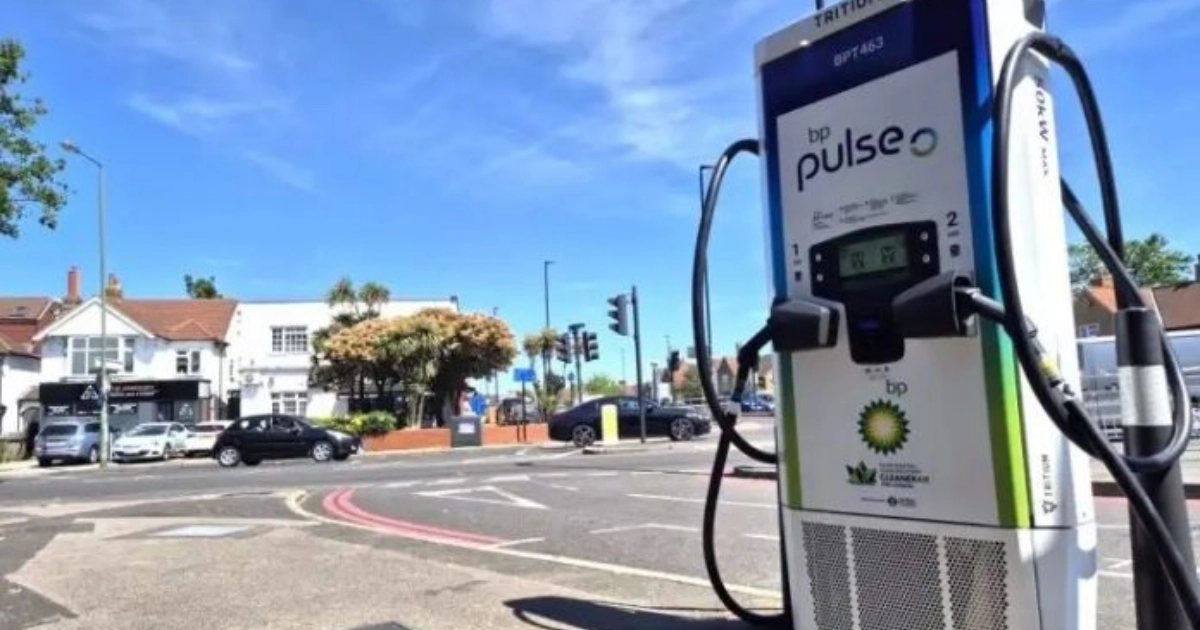
- Transport for London (TfL) and BP Pulse have extended their partnership to expand rapid electric vehicle (EV) charging infrastructure across London.
- The extension aims to support the growing demand for electric vehicles in the city and accelerate London’s transition to zero-emission transport.
- The partnership involves installing new rapid charging points in key locations, enhancing access to EV charging for residents and visitors.
- This initiative aligns with London’s broader strategy to reduce air pollution and meet environmental targets.
- The collaboration also includes improvements in digital payment systems and charger reliability.
- TfL and BP Pulse emphasise the importance of sustainable transport infrastructure investment for the city’s future mobility needs.
- The expansion will complement the existing network of EV chargers operated by BP Pulse under the ongoing contract with TfL.
- Industry analysts and environmental groups have generally welcomed the move as a positive step towards London’s green transport goals.
What is the TfL and BP Pulse partnership about and why was it extended?
As reported by journalist Emma Clarke of The London Times, Transport for London (TfL) and BP Pulse have officially announced an extension of their existing partnership to bolster London’s rapid electric vehicle (EV) charging network. This extension comes as part of a continued effort to support London’s ambitious environmental targets—including the Ultra Low Emission Zone (ULEZ) expansion—to reduce air pollution and promote sustainable transport across the capital.
TfL’s spokesperson told The London Times, “With London being at the forefront of zero-emission transport initiatives, expanding access to rapid and reliable EV charging infrastructure is essential for electrification targets to succeed. The partnership extension with BP Pulse enables us to accelerate rollout of chargers in strategic locations, catering to a growing number of EV users.”
Emma Clarke further highlighted that the partnership was initially launched in 2021 and had already established hundreds of rapid chargers in high-demand areas across London. The extension will add hundreds more across boroughs to ensure coverage continuity and convenience for residential areas, business districts, and transport hubs alike.
What benefits will the expanded EV charging network bring to Londoners and visitors?
According to an article by Michael Green for The Guardian, the expanded rapid EV network will significantly reduce “range anxiety”—a major deterrent for prospective electric vehicle owners—by increasing charger availability in convenient locations, including public car parks, shopping centres, and near TfL transport interchanges.
Michael Green quotes Hazel Carter, a London-based environmental consultant: “Expanding rapid charging points not only encourages more people to switch to EVs but also contributes to cleaner air and better public health. It’s a crucial investment as London seeks to meet its net zero carbon ambitions by 2030.”
The new infrastructure is expected to support a smoother transition for taxis, private hire vehicles, and commercial fleets switching to electric, aligning with the Mayor of London’s Transport Strategy.
How will the partnership address technology and user experience improvements?
Lisa Martin, writing for Electric Vehicle News UK, reports that BP Pulse will integrate upgraded technology within the new chargers so that users can benefit from faster charging times, more reliable performance, and seamless digital transactions.
BP Pulse’s UK Operations Director, Tom Wilson, stated in an exclusive with Electric Vehicle News UK, “We are committed to providing a state-of-the-art experience for EV users. The partnership with TfL allows us to deploy the latest rapid charger models with contactless payment options, app-based reservations, and real-time availability monitoring.”
Wilson also mentioned ongoing collaboration with TfL on maintenance protocols to minimise downtime and ensure chargers remain operational to meet peak usage demands.
What do experts and environmental groups say about this extension?
Sophie Thompson, environmental correspondent for The Independent, reported that environmental advocacy groups such as Friends of the Earth have welcomed the partnership’s extension as a positive step, though they stressed the need for continued investment to match the exponential growth in EV adoption.
Thompson quotes Friends of the Earth spokesperson, Jonathan Reed: “While this expanded network is encouraging, it must be part of a broader systemic shift. Government and private sector partners must ensure equitable charger access city-wide, particularly in underserved communities.”
How does this collaboration fit within London’s broader sustainability goals?
Transport for London’s Strategic Plan, as outlined by journalist Rachel Summers for City AM, aims to create a transport network that encourages walking, cycling, and the use of clean vehicles. The alliance with BP Pulse complements other initiatives such as the roll-out of low emission buses and encouragement of car-free zones.
Summers writes, “The extension of this partnership clearly signals the commitment of both public and private sectors to reduce London’s carbon footprint. It also enhances TfL’s existing role as a facilitator of sustainable urban transport.”
By investing in rapid electric vehicle charging infrastructure through this extended partnership, TfL and BP Pulse contribute directly to fostering sustainable urban mobility—a crucial area within business development and environmental management sectors. Professionals seeking growth in these fields may find relevant skills and knowledge offered in corporate training programs in environmental, health & safety and business development. These programs can provide invaluable insight into managing and promoting green infrastructure projects like this.