
Key points
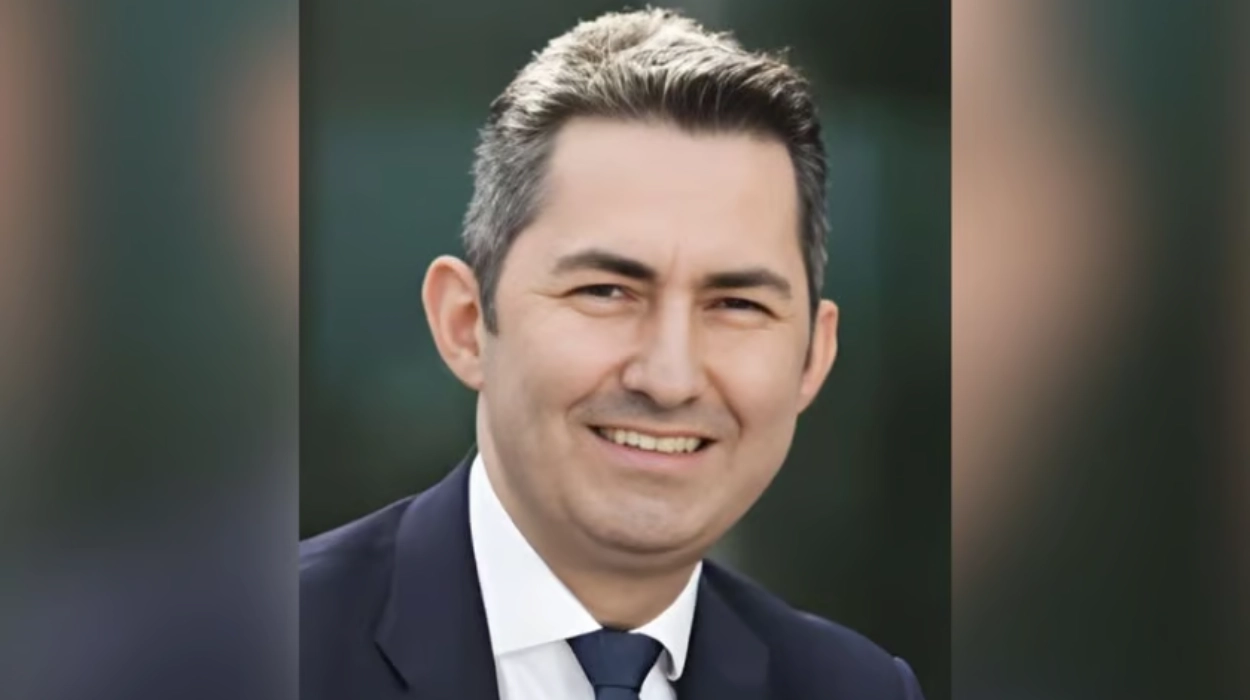
- Teneo, the global CEO advisory firm, has appointed Dr Serdar Cabuk as Senior Managing Director within its Financial Advisory business based in London.
- Cabuk’s role is to embed cybersecurity deeply into Teneo’s financial‑advisory offerings, ensuring that cyber risk is integrated into deal‑making, restructuring and capital‑structure decisions.
- As reported by Insurance Business mag, Cabuk will work closely with Teneo’s Risk Advisory team to build core cybersecurity capabilities and take them to market across EMEA and other regions.
- Teneo describes Cabuk as focusing on growing the firm’s cybersecurity advisory capabilities to support clients globally, especially in complex financial and operational environments.
- The hire reflects a broader industry trend of merging cyber‑risk expertise with financial‑advisory and restructuring practices, as boards and regulators increasingly demand that cyber exposures be treated as financial liabilities.
- This move complements Teneo’s wider risk‑advisory suite, which already covers geopolitics, physical security and cybersecurity, and is delivered alongside strategy, communications, management consulting and people advisory services.
- Professionals in the related fields of cyber risk, governance and financial advisory can deepen their expertise through targeted corporate governance and compliance and risk management and insurance training, which are offered by corporate‑education providers such as Imperial Training.
Why is Teneo bringing cyber into its financial‑advisory practice?
As Teneo reiterates on its corporate website, the firm operates as a global CEO advisory business, combining strategy & communications, management consulting, financial advisory, risk advisory and people advisory to help clients navigate complex business challenges. Within this framework, the firm’s Risk Advisory segment explicitly includes anticipation and mitigation of risks linked to geopolitics, physical security and cybersecurity, with the aim of ensuring business continuity and organisational resiliency.
In this context, Teneo’s decision to embed cyber risk directly into its Financial Advisory practice responds to heightened regulatory scrutiny and market expectations that cyber exposures must be treated as material financial issues rather than a standalone IT concern. Boards and regulators now routinely expect that cyber incidents, ransom‑demand liabilities, insurance‑pricing shifts and data‑breach costs are factored into restructuring, refinancing, M&A and capital‑structure discussions; Teneo’s move positions it to provide integrated counsel that spans both financial and cyber‑risk domains.
Who is Serdar Cabuk and what will he do in the role?
According to Teneo’s own personnel profile, Serdar Cabuk is a Senior Managing Director with the firm’s Financial Advisory business who is based in London. His mandate is to help lead the ongoing growth of Teneo’s cybersecurity advisory capabilities and to ensure that these capabilities are embedded into the firm’s financial‑advisory engagements worldwide.
As reported by Insurance Business mag, Cabuk will work with Teneo’s risk‑advisory team to build core cybersecurity capabilities and to commercialise those capabilities across EMEA and other regions. This includes designing and delivering advisory services that help clients understand how cyber risk can affect valuation, liquidity, refinancing options and restructuring outcomes, particularly in stressed or pre‑distressed situations many of Teneo’s financial‑advisory clients face. Teneo’s broader press‑release and corporate‑news pages further emphasise that Cabuk will support the firm’s “integrated cybersecurity capabilities,” underscoring that cyber is no longer a siloed function but a cross‑cutting risk layer woven into multiple advisory streams.
How does this hire fit into Teneo’s broader strategy?
Teneo describes itself as a global CEO advisory firm that partners with clients—often drawn from the Fortune 100 and FTSE 100, as well as major financial institutions and corporates—to solve complex business challenges by marshalling expertise across five business segments: strategy & communications, management consulting, financial advisory, risk advisory and people advisory. The appointment of Cabuk is the latest in a series of senior hires and internal expansions aimed at deepening the firm’s integrated‑risk and cyber‑advisory offerings.
In a statement published by Teneo, the firm notes that expanding its cybersecurity‑advisory capabilities is part of a broader imperative to help clients manage “heightened uncertainty” around global trade, regulatory change and rapidly evolving cyber‑threat landscapes. That emphasis aligns with earlier commentary from Teneo’s leadership on how cyber‑risk increasingly shapes capital‑markets perceptions, credit‑ratings, and insurance‑cost structures, all of which fall squarely within the firm’s financial‑advisory domain. By deploying a dedicated Senior Managing Director with a strong cyber‑risk background into the Financial Advisory practice, Teneo signals that it intends to compete with traditional consulting and restructuring firms on the ability to quantify, model and mitigate cyber‑related financial exposures.
What does “embedding cyber into financial advisory” mean in practice?
Teneo’s Financial Advisory business typically advises corporates, creditors and other financial stakeholders in situations of financial stress and distress, including restructurings, liability‑management exercises, recapitalisations and distressed transactions. In such environments, the cost of a large‑scale cyber breach, ransomware incident or regulatory fine can materially alter the value of a company, the terms of a refinancing or the viability of a restructuring plan.
By embedding cyber expertise into financial‑advisory work, Cabuk and his colleagues are expected to introduce more sophisticated cyber‑risk assessments into models that already consider leverage, cash‑flow projections and operational restructuring. As Teneo’s risk‑advisory page explains, the firm’s approach is to anticipate and mitigate cyber‑related risks so that business continuity and resilience are preserved across multiple scenarios. In practice, this means that Teneo’s advisors may now be better equipped to advise clients on cyber‑related insurance‑coverage adequacy, incident‑response‑cost estimates, post‑breach capital‑structure adjustments and the impact of cyber‑risk on governance and reporting frameworks.
How do industry experts view the integration of cyber and finance?
Insurance Business mag highlights that Cabuk’s hiring reflects a growing recognition that cyber‑risk is no longer a back‑office IT issue but a strategic and financial‑governance concern. The publication notes that Cabuk will collaborate with Teneo’s risk‑advisory professionals to build “core cybersecurity capabilities” and to scale those capabilities across EMEA and beyond, which suggests that the firm is positioning itself at the intersection of cyber‑risk, insurance and capital‑structure advisory.
Wider commentary in the consulting and risk‑advisory ecosystem reinforces this trend. Teneo’s corporate‑news and thought‑leadership pages reference research and surveys, such as the Teneo Vision 2025 outlook, which show that CFOs and investors are increasingly thinking about cyber‑risk and other emerging risks in their treasury and capital‑allocation decisions. At the same time, external media and industry‑analysis platforms underline that cyber‑risk is now a core component of corporate‑governance and compliance frameworks, prompting companies to invest in both in‑house capabilities and external advisory support.
Professionals in governance, risk and compliance can deepen their ability to navigate such intersections through corporate governance and compliance and risk management and insurance training, which address how cyber‑risk, regulatory change and financial‑stability concerns are interwoven in modern board‑room and C‑suite decision‑making.
What could this move mean for clients and the advisory market?
For Teneo’s clients—many of which are large multinationals, financial institutions and complex corporate groups—the integration of cyber into financial advisory could translate into more holistic and scenario‑tested advice when they face financial stress, governance challenges or major restructuring exercises. Rather than receiving separate opinions on cyber‑risk and financial‑structure, clients may increasingly receive a single, integrated view that links cyber‑preparedness, insurance‑cost structures, capital‑raising options and restructuring pathways.
From a competitive standpoint, Teneo’s hire signals that leading advisory firms are no longer treating cyber‑risk as an add‑on service but as a core input into financial‑advisory and restructuring work. As insurers and regulators demand more rigorous cyber‑risk disclosures and capital‑impairment planning, firms that can credibly combine deep cyber‑risk expertise with financial‑modelling and restructuring experience are likely to gain share in the advisory and restructuring markets.
How can professionals prepare for the convergence of cyber and finance?
Given that cyber‑risk is now a material component of financial‑advisory and governance work, professionals in banking, insurance, consulting and corporate finance are under pressure to build stronger technical and regulatory understanding of cyber‑risk, data‑protection frameworks and insurance‑coverage structures. For those seeking to bridge the gap between cyber‑technical domains and financial‑decision‑making, targeted corporate governance and compliance and risk management and insurance programmes can help align practical risk‑management skills with financial‑governance expectations.
By combining such training with real‑world experience at firms like Teneo, which explicitly embed cyber capabilities into financial‑advisory and risk‑advisory practices, professionals can position themselves at the forefront of an evolving advisory landscape where cyber is no longer a niche specialty but a central pillar of corporate‑value protection and financial‑stability planning.