
Key Points
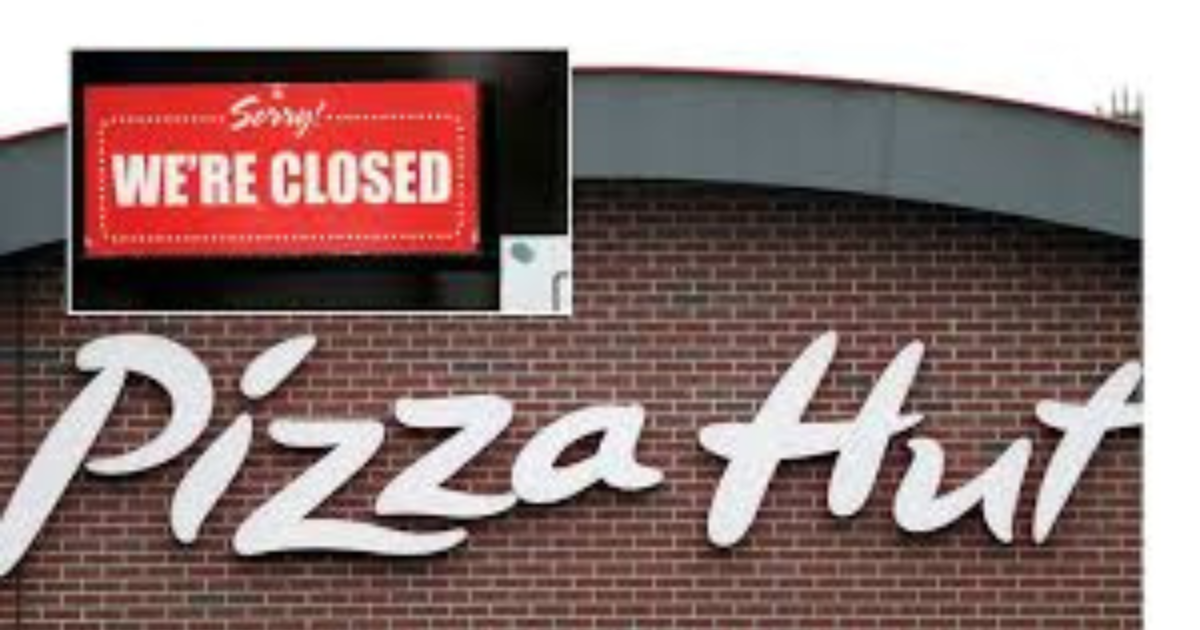
- Several Pizza Hut locations in the UK are closing due to the company entering business administration.
- The closures affect numerous employees and franchisees across different regions.
- The decision comes amid financial struggles and increased competition in the fast-food sector.
- The company’s administration process aims to restructure and salvage viable parts of the business.
- The impact on customers and future operations remains uncertain.
- Industry experts highlight challenges such as rising costs and changing consumer preferences.
- Statements from Pizza Hut management and business analysts provide insight into the situation.
- The closures reflect broader market trends affecting restaurant chains nationwide.
What Led to Pizza Hut Entering Business Administration?
As reported by GB News, Pizza Hut’s decision to enter business administration follows a period of worsening financial performance and operational difficulties. The company has faced escalating costs related to raw materials, labour, and distribution, compounded by stiff competition from other fast-food outlets. According to the GB News report, the move aims to enable a financial restructuring that could protect certain stores or allow for their acquisition by new operators. This marks a significant moment for one of the UK’s longstanding pizza brands amid a challenging economic backdrop.
Which Pizza Hut Locations Are Closing and How Many Jobs Are Affected?
The closures are impacting numerous outlets across various parts of the UK, with some franchisees already announcing shutdowns. Employees at these locations face uncertainty over their jobs, with potential redundancy looming for many. Precise figures on the number of impacted restaurants and staff have been disclosed in statements by the company’s administrators, who are actively managing the process to maximise value and reduce job losses where possible. GB News mentions that the closures are part of the administrator’s phased approach to stabilise operations.
How Is Business Administration Expected to Affect Pizza Hut’s Future?
Business administration is a legal process whereby a company is protected from creditors temporarily while a restructuring plan is implemented. According to statements shared with journalists covering the story at GB News, this process allows Pizza Hut’s parent company to negotiate new terms with landlords, suppliers, and financiers. The administrators aim to preserve the brand’s core operations while exploring possibilities for investment or sale to new owners. However, uncertainty remains over the long-term market position of Pizza Hut in the UK’s competitive fast-food landscape.
What Are Industry Experts Saying About the Pizza Hut Situation?
Business analysts and industry commentators point to Pizza Hut’s challenges as emblematic of broader sector difficulties. Rising inflation, increased minimum wage requirements, supply chain disruptions, and evolving consumer habits have all contributed to a tough environment for restaurant chains. An expert quoted in GB News highlights that many brands are struggling to adapt to new market dynamics, with digital ordering and delivery services reshaping the competitive field. Adaptation and innovation will be crucial for Pizza Hut’s recovery prospects.
How Are Customers Reacting to the Closures?
Customers have expressed disappointment and concern regarding the sudden closures of Pizza Hut outlets. Social media reactions gathered by local news reporters feature loyal patrons lamenting the loss of convenient dining options. Some customers remain optimistic that the brand will emerge from administration stronger, while others worry about the impact on choice and pricing in the local takeaway market. Pizza Hut has assured customers that its online platforms will continue to operate where possible during this period of transition.
What Can Be Learned from Pizza Hut’s Business Challenges?
This situation highlights the importance of business resilience and strategic agility, particularly in the dynamic food service industry. Companies must effectively manage costs, innovate in delivery and menu offerings, and maintain customer engagement to thrive. Those pursuing enterprise management or corporate finance education could study this case as an example of crisis handling and restructuring strategies within a major brand. Similarly, training in supply chain management and digital marketing can provide essential skills for navigating such challenges in hospitality and retail sectors.
This news story offers valuable insights for professionals and students focusing on enterprise management and business administration. Understanding how big brands respond to financial pressures and market changes is critical learning for future business leaders and managers. For those interested in gaining expertise in these areas, courses in enterprise management offered by reputable institutions provide practical knowledge on navigating complex business environments effectively.