
Key Points
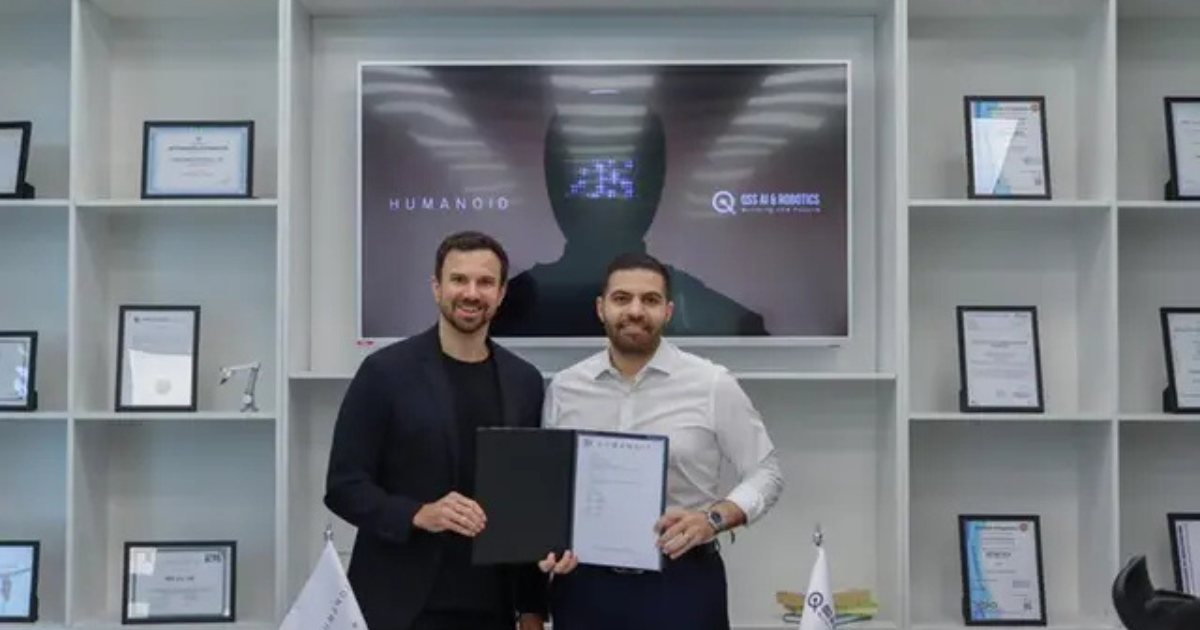
- Humanoid and QSS AI & Robotics have entered a strategic partnership to promote robotics innovation in Saudi Arabia.
- QSS AI & Robotics will act as Humanoid’s exclusive commercial, distribution, and localisation partner in the Kingdom.
- The collaboration aims to support Saudi Arabia’s Vision 2030 by advancing AI and robotics technology adoption across key sectors.
- The agreement includes technology transfer, localisation of robotics solutions, and joint development of customised systems.
- This partnership positions Saudi Arabia as a growing hub for robotics development amid strong government backing and market expansion.
- Saudi Arabia’s robotics market was valued at approximately USD 478.8 million in 2024, with projections of significant growth by 2033.
- The move aligns with Saudi Arabia’s strategic objective of industrial diversification and high-tech advancement.
- Training and development for local talent in robotics and AI are emphasised within the partnership’s framework.
What Is the Humanoid and QSS AI & Robotics Partnership About?
As reported by Zawya, Humanoid, a company specialising in advanced robotics, has teamed up with QSS AI & Robotics to accelerate robotics development in Saudi Arabia. Under the announced agreement, QSS will serve as the exclusive partner responsible for commercial activities, distribution, and localisation within the Kingdom. This partnership underlines a commitment to innovation, support for artificial intelligence integration, and localisation of technology to meet Saudi Arabia’s unique market needs.
How Does This Partnership Fit Into Saudi Arabia’s Vision 2030?
According to Saudi industrial sources, Vision 2030 is a transformational roadmap aiming to diversify the Kingdom’s economy well beyond oil revenues by embracing technology and high-value industries. Robotics and AI form core pillars in this national advancement plan. The partnership between Humanoid and QSS AI & Robotics aligns closely with this vision, supporting automation and smart technology adoption across sectors including manufacturing, logistics, healthcare, and infrastructure.
What Are the Key Components of the Agreement?
The partnership agreement focuses on multiple fronts: commercialisation of Humanoid’s robotics products, localisation of production and services within Saudi Arabia, and joint development projects to tailor robotics solutions appropriate to local industry challenges. It also encompasses knowledge transfer and workforce development initiatives to build local capabilities in advanced robotics and AI.
Why Is Localisation and Workforce Development Important in This Context?
Industry analysts highlight that localisation reduces dependency on imports, promotes domestic manufacturing, and creates technology-driven job opportunities. Saudi Arabia’s government has increased focus on training and education in robotics fields, as part of preparing the workforce for Industry 4.0. This collaboration encourages such talent cultivation, essential for sustainable growth and competitiveness in the global robotics market.
What Is the Current State of Robotics Industry in Saudi Arabia?
The Kingdom’s robotics market is expanding rapidly. In 2024, it was valued at around USD 478.8 million, and is expected to grow at nearly 16% annually, reaching over USD 2 billion by 2033. Key sectors contributing to this growth include manufacturing, logistics, healthcare, and energy. Government-led initiatives such as the Saudi Data and Artificial Intelligence Authority (SDAIA) and infrastructure projects support this momentum.
How Does This Partnership Reflect Industry Trends?
Globally and regionally, there is a trend toward deploying AI-driven, collaborative robots (cobots) that work alongside humans to improve safety and productivity. The Humanoid and QSS AI & Robotics alliance leverages these trends by integrating AI and robotics tailored for Saudi market demands, such as industrial automation and smart infrastructure.
What Are the Expected Outcomes of This Partnership for Saudi Arabia?
By fostering innovation, technology localisation, and human capital development, this strategic partnership sets the stage for Saudi Arabia to become a robotics development hub. It supports the Kingdom’s ambitions to increase economic diversification, enhance industrial competitiveness, and lead technological advancement in the Middle East.
Investing in skills and knowledge within robotics and AI through such initiatives closely complements our training offerings especially in Management and Information Technology courses, designed to prepare professionals for emerging demands in technology and automation sectors.