
Key Points
- Costain has developed a new digital tool aimed at designing out carbon emissions in construction projects.
- The tool uses data and analytics to help reduce carbon footprints during the design phase.
- It integrates sustainability considerations directly into engineering and infrastructure planning.
- The innovation supports Costain’s broader environmental and net-zero goals.
- The tool empowers project teams to make carbon-conscious decisions early on.
- This initiative reflects rising industry emphasis on tackling climate change through technology.
- Costain’s approach could serve as a model for other infrastructure firms seeking to cut carbon emissions.
- The development of this tool highlights the evolving role of digital solutions in sustainable construction.
What is the new tool developed by Costain to reduce carbon emissions?
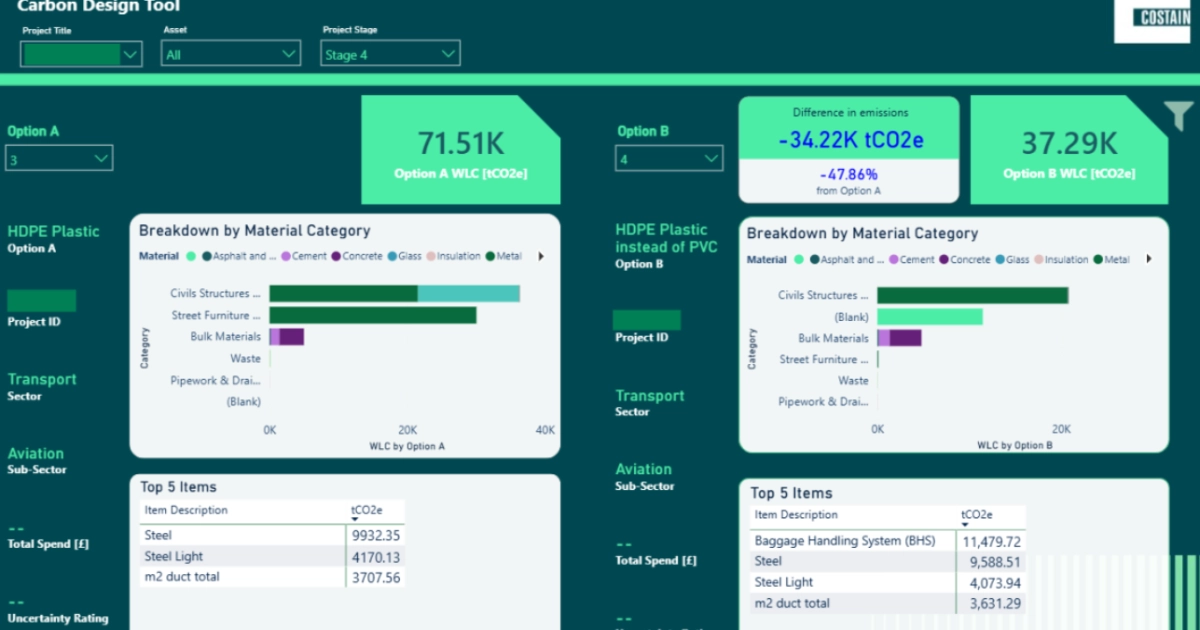
Costain, a leading infrastructure solutions company, has created a pioneering digital tool designed specifically to identify and reduce carbon emissions during the construction design process. According to Highways News, this tool utilises advanced analytics and data modelling to provide early-stage insights into a project’s carbon footprint, allowing project teams to design out carbon before any physical work begins.
The tool enables engineers and planners to integrate sustainability factors directly into their workflows, fostering decisions that align with environmental targets. This innovation is part of Costain’s commitment to achieving net-zero carbon emissions and supporting the UK’s climate goals.
How does Costain’s carbon tool work and what benefits does it provide?
As explained by the article on Highways News, Costain’s tool operates by evaluating the embedded carbon impact of design choices in real time. It aggregates data from multiple sources, such as materials and construction methodologies, to calculate potential carbon emissions associated with different design options.
By visualising this data, the tool encourages stakeholders to select lower-carbon alternatives, optimising the environmental performance of infrastructure projects. It notably helps reduce waste, increases resource efficiency, and supports regulatory compliance related to carbon reduction frameworks.
Costain emphasises that the tool’s interactive interface and ease of use empower cross-disciplinary teams to collaborate on sustainable outcomes from the outset of projects. This proactive approach is expected to significantly lower lifecycle emissions and costs, strengthening the company’s leadership in cutting-edge sustainable engineering.
Why is Costain focusing on this digital tool amid industry carbon reduction efforts?
The construction and engineering sectors are under growing pressure worldwide to drastically lower carbon emissions, responding to global climate commitments and stricter regulations. As reported by several industry analysts, digitalisation is a key enabler for achieving sustainability in infrastructure.
Costain’s introduction of the design-phase carbon tool demonstrates how companies can leverage innovation to turn sustainability ambitions into actionable practice. It aligns with broader trends where technology and data-driven insights are central to decarbonising built environments.
This tool also reflects a competitive advantage, positioning Costain as a forward-thinking, environmentally responsible firm poised to meet client demands for greener projects. By leading in this space, Costain hopes to influence industry standards and inspire wider adoption of carbon-conscious design approaches.
What are some expert perspectives on Costain’s carbon reduction initiative?
Industry experts have lauded Costain’s tool as an important step towards embedding sustainability into the core of engineering design. For instance, environmental consultants highlight that such technologies address the challenge of “design lock-in,” where carbon-intensive decisions made early can have lasting impact.
Sustainability advocates praise this development for offering practical means to quantify and reduce carbon footprints without compromising project viability or safety. The tool’s capacity to bring transparent measurement and benchmarking capabilities is seen as advancing accountability in infrastructure development.
Costain’s initiative was also welcomed by environmental groups, who see constructive engagement with carbon data as essential for achieving international climate targets in the built environment sector.
How does this news relate to professional development and training?
Given the growing use of technology to foster sustainability, professionals in fields like engineering, project management, and environmental consultancy must update their skills to remain effective. This news underscores the importance of continuous learning in digital tools that support carbon reduction.
Aspiring and current professionals may consider advancing knowledge in areas like sustainable project design, carbon accounting, and digital engineering. Training programmes in relevant fields can equip individuals and teams with the capabilities to implement innovations such as Costain’s tool in their own contexts.
For those involved in infrastructure and environmental projects, courses focused on sustainability practices and digital transformation are particularly relevant. Incorporating these skills helps meet evolving industry demands and contributes actively to climate goals.
By embracing cutting-edge digital solutions like Costain’s carbon design tool, the construction and engineering sectors can make substantial progress towards reducing their environmental impact. Professionals keen to thrive in this changing landscape would benefit from deepening expertise in sustainability and digital technology through specialised training, such as offered under the Engineering and Technology discipline.