
Key points
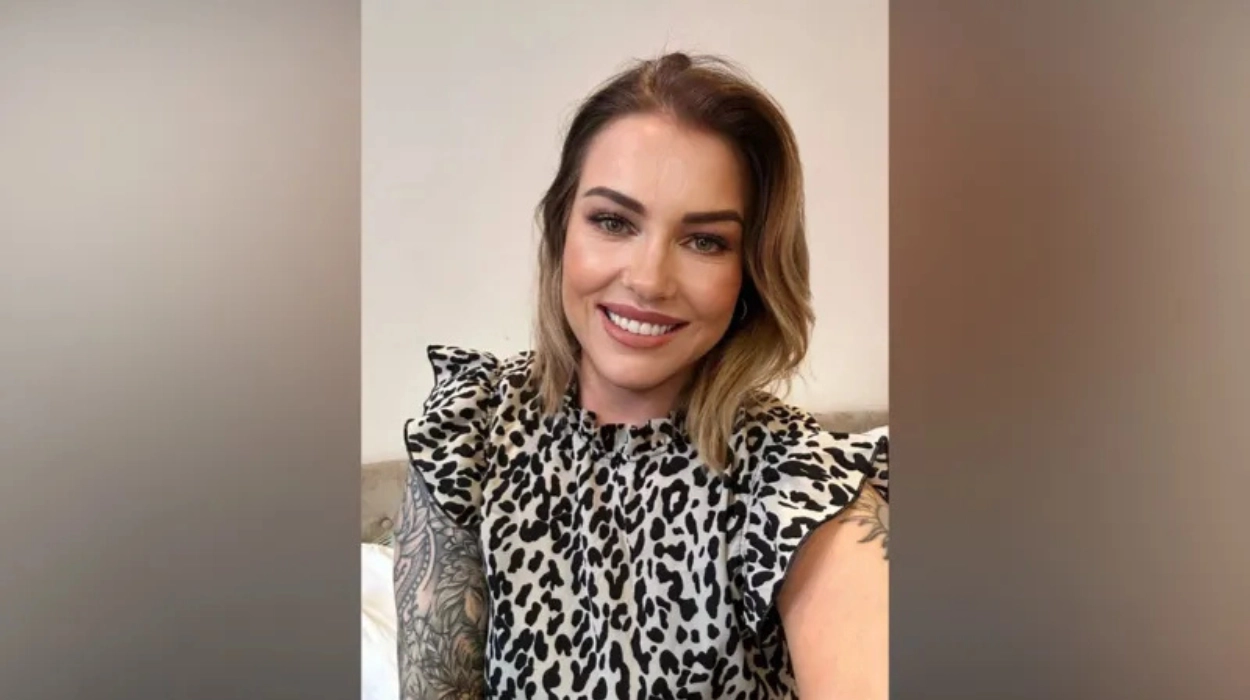
- Zoe Goodchild, also known as Zoe Rosborough and widely branded online as the “Cashflow Queen”, has been barred from membership of the Institute of Accountants and Bookkeepers (IAB), the second professional accounting body to exclude her.
- The IAB found Goodchild guilty of misconduct and dishonesty and fined her more than £12,000, following a disciplinary panel hearing held last month.
- The sanction stems from her alleged failure to disclose prior disciplinary action against her when renewing her IAB membership, which the IAB treated as a serious breach of its professional standards.
- Goodchild states she “does not accept the finding” and is contesting that part of the decision, while underlining that she disputes any suggestion of fraud or dishonesty towards clients.
- She first came under scrutiny after the BBC’s 2023 investigation into her former firm, Apostle Accounting, which promoted tax‑rebate claims that left many clients with large liabilities and, in some cases, HMRC debt.
- Apostle Accounting, based in Stowmarket, was later fined £40,000 by the Institute of Certified Bookkeepers (ICB), which had previously removed Goodchild from its own membership and supervision framework.
- The firm’s liquidators revealed that an insurance policy, which could have compensated around 800 clients, was rendered void, leaving many consumers without recourse.
- Goodchild has since launched a new practice, Innovate Accountancy, and continues to share financial advice via social media under names such as “Cashflow Queen” and “Awake Accountant” to a following of around 17,000 on LinkedIn.
- Suffolk‑based tax consultant Paul Rosser, who raised concerns with the IAB, has warned that Goodchild should not provide accountancy or tax‑advice services until she finds another supervisory body willing to oversee her work.
- IAB chief executive Sarah Palmer said the organisation takes its anti‑money‑laundering (AML) and professional‑standards responsibilities seriously and that Goodchild is now barred from any future membership with the institute.
Why has the ‘Cashflow Queen’ been banned by a second body?
Zoe Goodchild, popularly known online as the “Cashflow Queen”, has been removed from the Institute of Accountants and Bookkeepers (IAB), marking the second accounting‑profession body to exclude her following a string of disciplinary findings.
As reported by the BBC, she was fined more than £12,000 by the IAB’s conduct panel after a hearing held last month, with the institute citing misconduct and dishonesty in relation to her membership renewal. According to the IAB, the core issue was Goodchild’s alleged failure to declare earlier disciplinary action against her, which the body treated as a serious breach of transparency and professional integrity.
In a statement to the BBC, Goodchild said she “does not accept the finding” and is pursuing further steps to challenge that aspect of the IAB’s decision. She clarified that the dispute centres on what she describes as a “disclosure matter stemming from differing interpretations of wording on a renewal form”, rather than any finding of fraud or dishonesty in relation to client funds.
What was the earlier case that triggered this latest ban?
Goodchild’s troubles trace back to her former firm, Apostle Accounting, which was at the centre of a tax‑rebate scandal first exposed by the BBC in 2023. The investigation showed that many of Apostle’s clients were encouraged to submit tax‑rebate and claim‑related filings that later generated substantial bills from HM Revenue & Customs (HMRC), leaving individuals and businesses with unexpected liabilities.
Following that scrutiny, the Institute of Certified Bookkeepers (ICB) imposed a £40,000 fine on Apostle Accounting and terminated its supervisory relationship with the firm and with Goodchild personally. Liquidators later reported that an insurance policy potentially covering fees for around 800 clients who used Apostle’s services was voided, cutting off a key route for financial redress.
The BBC’s coverage highlighted that some clients were left not only with steep tax bills but also with reputational damage and stress, as they struggled to unpick claims that turned out to be ineligible or over‑aggressive.
How does the IAB’s action relate to anti‑money‑laundering rules?
The IAB’s decision carries added weight because the body also acts as an anti‑money‑laundering (AML) supervisor for members operating in the accounting and bookkeeping sector. As reported by the BBC, tax consultant Paul Rosser, based in Suffolk, flagged concerns to the IAB about Goodchild’s continued provision of services after her earlier exclusion from ICB‑backed supervision.
Rosser told the BBC that Goodchild’s removal from the IAB now revokes the AML‑supervision status she held under that body, arguing that she should refrain from offering accountancy or tax‑advice services until she secures another supervisory umbrella willing to oversee her work.
In a statement to the BBC, IAB chief executive Sarah Palmer said the institute “takes its responsibilities as an AML supervisory body seriously and upholds the highest professional standards”. Palmer added that Goodchild is ineligible for any future membership with the IAB, effectively closing the door on her return to that particular professional framework.
Who is the ‘Cashflow Queen’ and what is she doing now?
Zoe Goodchild, also known as Zoe Rosborough, has built a public profile as the “Cashflow Queen” and the “Awake Accountant”, sharing financial and business‑management tips on platforms such as LinkedIn to a following of roughly 17,000 users. She has since set up a new practice, Innovate Accountancy, which corporate training experts say would benefit from stronger oversight and governance frameworks to restore client trust.
Her approach to cash‑flow management and business‑finance content has attracted entrepreneurs and small‑business owners, many of whom are keen to learn skills in financial planning and risk management. Those same audiences may also benefit from structured learning in Finance & Accounting, where professionals can gain a deeper understanding of tax‑compliance, cash‑flow forecasting, and regulatory‑framework awareness before engaging with advisers.
What does this mean for clients and the wider accounting sector?
The successive bans against Goodchild illustrate growing pressure on professional‑accounting bodies to tighten oversight, particularly in cases where AML‑supervision is involved. For clients who sought her services through Apostle Accounting or Innovate Accountancy, the collapse of the relevant insurance policy and the multiple disciplinary findings underline the importance of due‑diligence when selecting a financial adviser.
Industry commentators quoted by the BBC suggest that the case is a reminder that regulators and membership bodies must scrutinise not only technical competence but also transparency and past disciplinary history. For accountancy and finance professionals, this underlines the value of continuous professional development, including courses in Ethics & Compliance, Risk Management, and Corporate Governance, which can help advisers navigate complex regulatory environments and safeguard client interests.
Are there any wider implications for tax‑rebate and advisory services?
The tax‑rebate claims that Apostle Accounting promoted have become a cautionary tale for small‑business owners and individuals tempted by aggressive‑claim strategies. The BBC’s 2023 reporting showed how some clients ended up facing HMRC audits, penalties, and protracted disputes, prompting calls for clearer guidance on what constitutes legitimate tax‑relief versus over‑reaching advice.
In the aftermath, some professional‑accounting bodies have said they are reviewing how they monitor members who advertise “cash‑back” or “large‑refund”‑style services. For finance and business professionals, this reinforces the need for Taxation & Audit training that emphasises compliance, risk‑based planning, and client communication, rather than short‑term revenue‑driven tactics.
How is Zoe Goodchild responding to the allegations and bans?
Goodchild has publicly maintained that she disputes the dishonesty finding by the IAB and is taking steps to contest that part of the ruling. In her statement to the BBC, she insisted that the issue concerns “a disclosure matter” linked to the wording on a membership‑renewal form, and not a determination of fraud or client‑funds misappropriation.
At the same time, she continues to offer financial‑advice content through her “Cashflow Queen” brand, often targeting small‑business owners and entrepreneurs keen to improve working‑capital and operational‑cash‑flow management. For those audiences, experts suggest that blending social‑media content with formal training in Financial Management and Business Strategy can lead to more robust, long‑term decision‑making, especially when advisers promote complex financial‑rebate schemes.
What lessons can professionals and businesses draw from this case?
The “Cashflow Queen” saga highlights the reputational and financial risks that can arise when advisers blur the line between bold marketing and compliant, transparent advice. For accounting, bookkeeping, and finance professionals, the case underscores the importance of staying within the boundaries of their professional bodies’ rules, including clear disclosure of past disciplinary actions.
Businesses and individuals using such services are urged to verify membership status, supervision coverage, and insurance arrangements before engaging an adviser. Those working in or managing professional services can strengthen their safeguards by investing time in Risk Management, Regulatory Compliance, and Leadership & Management training, which can help build resilient, transparent operations that protect both clients and the adviser’s reputation.