
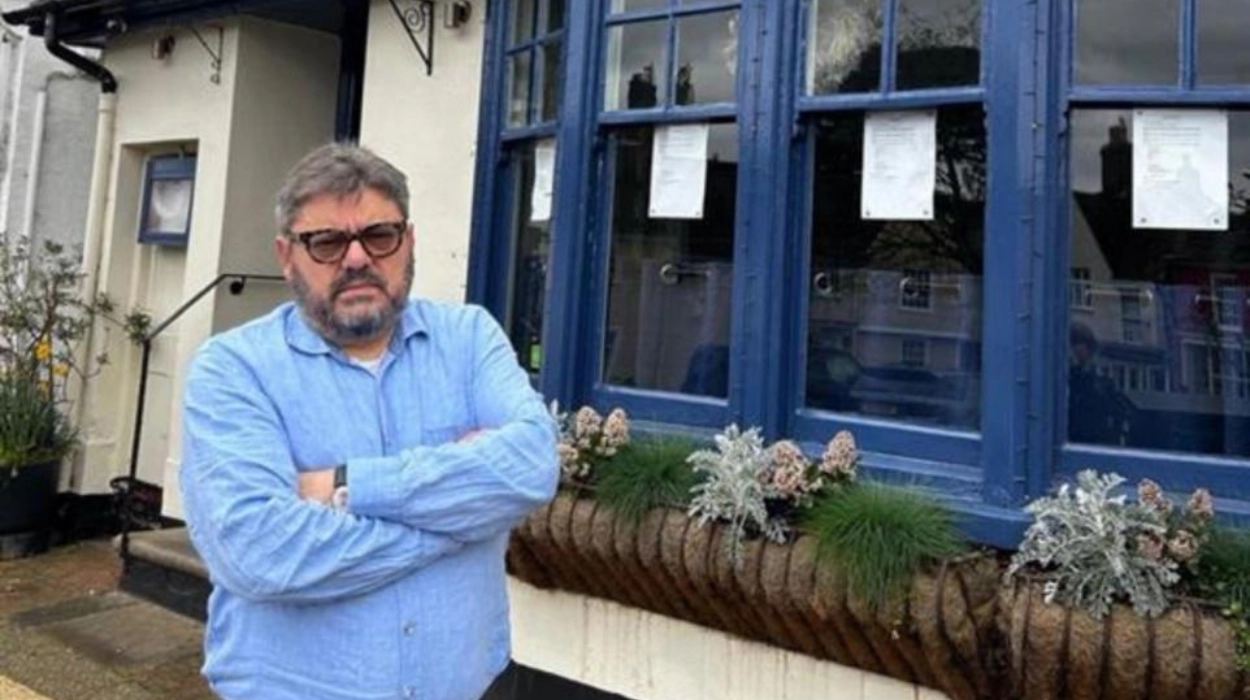
Key Points
- Restaurant group Blue Fig denies owing a claimed £20,000 to Ugur Vata, the landlord of its former premises in Woodbridge, Suffolk.
- The Blue Fig restaurant in Woodbridge operated for about five months before closing, prompting a dispute over payments under the tenancy.
- Ugur Vata contends that Blue Fig owes him approximately £20,000 in unpaid rent and related charges for the short‑run Woodbridge site.
- In response, a spokesperson for the Blue Fig group has “heavily disputed” Vata’s claim, stating that the business does not accept liability for the alleged debt.
- The disagreement has been reported by local media covering Woodbridge and east Suffolk, describing the row as a post‑closure payment dispute between a former landlord and a restaurant operator.
- The situation highlights the financial and contractual risks of short‑term tenancies in the hospitality sector, especially where a format fails to achieve commercial viability.
Who is involved in the £20,000 dispute?
A financial dispute has emerged between Blue Fig, a restaurant group based in Bury St Edmunds, and Ugur Vata, a long‑standing hospitality operator and landlord in Woodbridge, Suffolk.
As reported by EADT/24, Vata owns the premises formerly occupied by Blue Fig Woodbridge, which launched as a sister site to the group’s Bury St Edmunds restaurant. According to local coverage, Vata has now advanced a claim that Blue Fig owes him around £20,000 in payments linked to the tenancy.
On the other side, a spokesperson for Blue Fig has told the outlet that the group “heavily disputes” this figure and does not accept that the business is liable for the sum alleged. The group has declined to give further detail on the basis of the dispute, citing the matter as “contentious” and subject to negotiation or, if necessary, legal process.
How long did Blue Fig operate in Woodbridge?
The Woodbridge branch of Blue Fig opened as a temporary or trial operation, running for about five months before closing. Media reports describe the site as a short‑lived venture that failed to establish itself as a sustainable proposition in the local market.
Earlier coverage by BBC Suffolk had noted that Ugur Vata transferred management of his long‑running Woodbridge eatery, The Galley, to the Blue Fig team as part of a broader plan to retire from day‑to‑day restaurant operations. Vata expressed optimism at the time that the Blue Fig group would bring “fresh ideas” to Woodbridge, while he would remain involved with his adjacent ice‑cream shop.
However, the subsequent move from partnership to a stand‑alone Blue Fig‑branded site in Woodbridge did not last, and the premises have since shut with the bill dispute now coming to light.
What does Ugur Vata claim Blue Fig owes him?
According to local reporting, Ugur Vata maintains that Blue Fig owes him approximately £20,000 in respect of the Woodbridge tenancy. While the exact breakdown of the figure has not been fully detailed in public reports, the claim appears to relate to rent and potentially other charges payable during the five‑month period the restaurant operated at the site.
Vata has not been quoted at length in the initial rounds of coverage but is described as standing by the validity of his claim and ready to seek redress if Blue Fig does not recognise the debt. Media accounts note that the row has become a local talking point, given Vata’s long association with Woodbridge’s hospitality scene and Blue Fig’s reputation as a popular dining brand in the region.
How has Blue Fig responded to the payment allegation?
In its official response, Blue Fig has denied the central allegation that it owes Vata £20,000. A spokesperson for the group told EADT/24 that the sum is “heavily disputed” and that the business does not accept that the level of debt claimed reflects the actual obligations under the tenancy agreement.
The group has also pointed to the challenging nature of the Woodbridge site’s short‑run operation, including trading volumes and external factors that may have affected income, as part of the context for its position. At this stage, neither side has publicly disclosed the full contractual terms or any written correspondence, leaving the public record limited to the broad outline of the dispute.
What are the wider implications for hospitality landlords and tenants?
The row between Blue Fig and Ugur Vata shines a light on the financial exposure that can arise when short‑term or trial restaurant formats are launched in established high‑street locations. Landlords may face the risk of unpaid rent or dilapidations if a tenant fails to secure sufficient trade, while operators can find themselves locked into leases or guarantees that outlast commercial viability.
For hospitality businesses, this underlines the importance of clear lease negotiation, robust financial modelling, and contingency planning before occupying a new site. For landlords, it highlights the need for detailed agreements, regular rent reviews, and early dispute‑management strategies when a tenant’s performance falters.
Professionals in the sector looking to navigate similar tensions can benefit from structured hotel management and hospitality operations training, which helps build skills in contract handling, financial planning, and stakeholder negotiation.
Where does the case stand now?
At present, the dispute remains unresolved in the public domain, with no indication that formal court proceedings have been initiated. Local media describe the situation as a “row” or “payment claim dispute”, suggesting that the parties are assessing whether to settle the matter privately or escalate it through legal channels.
The closure of the Blue Fig Woodbridge site after five months has already shifted the focus from trading to the financial and contractual aftermath, leaving both landlord and tenant to manage reputational and cash‑flow implications. Until either side releases a fuller statement or a court filing becomes public, the exact mechanics of the claimed £20,000 debt and Blue Fig’s counter‑arguments will remain largely outside the published record.
What does this mean for the local Woodbridge community?
For residents and visitors in Woodbridge, the Blue Fig chapter has added another chapter to the town’s changing hospitality landscape. The initial handover of The Galley to Blue Fig inspired hopes of continuity and innovation, but the later standalone Blue Fig site’s brief lifespan and the subsequent payment row have left a sense of uncertainty about the future of that specific premises.
Community reaction, as reflected in local media coverage, appears mixed, with some backing Vata as a long‑time local operator and others understanding the commercial pressures on a restaurant group experimenting with a new location.