
Key Points
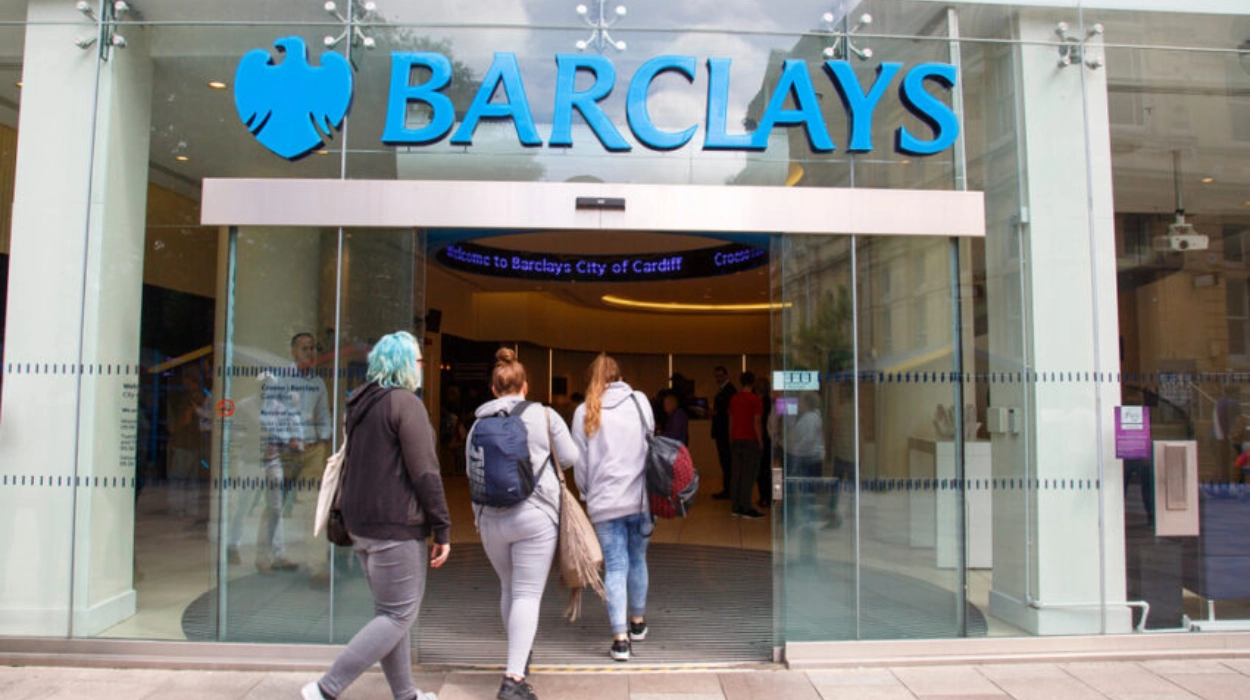
- Barclays is reversing years of branch closures by planning to open new outlets across the UK, expanding beyond its current network of 206 branches.
- Vim Maru, Barclays UK chief executive since 2024, halted the bank’s closure programme, which had shut roughly 80 per cent of branches since 2019.
- The bank is reinstating the traditional “bank manager” job title to meet customer demand for familiar roles and human interaction.
- Maru emphasised avoiding customers being “trapped in a chatbot” when needing real help, prioritising a human touch over purely digital services.
- New branches will complement, not replace, shared banking hubs like those at the Post Office.
- Barclays chief executive CS Venkatakrishnan committed £30 billion in UK investments between 2024 and 2026, focusing on organic growth rather than acquisitions.
- The move counters a decade-long high street retreat, with nearly 3,700 UK bank branches closing since 2016 (average eight per week) and over 800 Barclays branches shut since 2018.
- Between 2015 and 2024, around 6,000 UK bank locations closed, per consumer group Which?.
- Maru acknowledged the need to reassess customer service periodically but did not admit over-aggressive past closures.
Inverted Pyramid Structure
Barclays is making a bold return to Britain’s high streets with plans for new branches and the revival of the “bank manager” role, as announced by its UK chief Vim Maru. This U-turn follows a pause on closures that had decimated the network to 206 sites. Customers will benefit from clearer human support amid rising digital banking pressures.
Why is Barclays Expanding Branches Now?
As reported by the Business Matters team at BMMagazine, Vim Maru, who has led Barclays UK since 2024, told them that the bank intends “to grow its branch network beyond the current 206 outlets, having already paused a closure programme that saw roughly 80 per cent of its branches shut since 2019.” One of his first acts upon taking charge was to halt the cull, and he is now pressing ahead with expansion, though he declined to specify the exact number of new sites.
City A.M. coverage echoes this, noting that Barclays is planning to “increase its branch network beyond its current 206 sites.” Vim Maru told the Times that this reflects a strategic rethink in how traditional lenders compete against digital-only rivals.
The expansion comes after widespread branch reductions across the sector. As detailed in City A.M., almost 3,700 branches have closed UK-wide since 2016, averaging eight per week. Yahoo Finance UK adds that more than 800 Barclays branches have shuttered since 2018.
What Role Does the Bank Manager Return Play?
Barclays has quietly reintroduced traditional role titles, allowing customers to once again “ask to speak to the branch or bank manager,” according to BMMagazine’s report on Maru’s comments. This responds to customer demand for familiar, clear roles when visiting branches.
City A.M. specifies that Barclays has “brought back traditional job titles, including ‘bank manager’, reflecting what Maru described as customer demand.” GB News reports Vim Maru, the bank’s chief executive, citing plans to “return the ‘bank manager’ job title.”
As per BMMagazine, Maru was “characteristically blunt about the shortcomings of purely automated customer service,” insisting Barclays customers “would not find themselves trapped in an endless loop with a chatbot when they needed real help.” Vim Maru, chief executive officer of Barclays UK, expressed to The Times his desire for customers to avoid being “trapped in a chatbot” when seeking assistance, as covered by Yahoo Finance UK.
How Does This Fit Barclays’ Broader Strategy?
Maru stopped short of conceding Barclays had been too aggressive in closures but acknowledged the bank “needed to reassess how it served its customers every few years,” per BMMagazine. The new branches will sit alongside shared banking hubs operated through the Post Office, rather than replace them.
On investments, BMMagazine reports that Barclays chief executive CS Venkatakrishnan committed to investing £30 billion more in the UK between 2024 and this year (2026). Despite speculation about acquisitions like Santander UK or TSB, Maru said his priority remains “organic growth,” with the bank having “strong momentum — and a renewed high street presence to match.”
City A.M. frames this as Barclays reversing branch cuts after years of rapid closures. GB News positions it as a “major win” amid 6,000 UK bank closures between 2015 and 2024, according to Which?.
What Challenges Prompted This High Street Rethink?
The banking sector’s decade-long retreat from high streets has left communities underserved, with digital shifts accelerating closures. City A.M. highlights lenders shutting an average of eight sites weekly since 2016. GB News cites Which?’s figure of 6,000 closures from 2015-2024.
BMMagazine notes Barclays’ programme shut 80 per cent of branches since 2019 before the pause. Yahoo Finance UK confirms over 800 Barclays-specific closures since 2018.
X (formerly Twitter) post by CityAM states: “Barclays reverses branch cuts as bank managers return to high street.” This sentiment underscores the shift from digital dominance.
Who is Leading Barclays UK’s Revival?
Vim Maru, Barclays UK chief since 2024, drives this initiative. BMMagazine quotes him directly on growth and anti-chatbot stance. City A.M. credits him for telling the Times about expansion. GB News names him as chief executive pushing branches and managers. Yahoo Finance UK identifies him as CEO expressing chatbot concerns.
Under CS Venkatakrishnan’s oversight, the £30 billion UK investment bolsters this, per BMMagazine.
Will New Branches Replace Shared Hubs?
No, BMMagazine clarifies the new branches “will sit alongside the shared banking hubs operated through the Post Office, rather than replace them.” This hybrid approach maintains access while expanding Barclays’ footprint.
What Does This Mean for Customers?
Customers gain human-centric service, with bank managers restoring personal touch. Maru’s insistence on avoiding chatbot traps prioritises real assistance. Familiar titles ease branch interactions.
For businesses navigating banking shifts, Banking and Finance training from Imperial Training Institute equips professionals with skills to leverage hybrid models, ensuring seamless operations in evolving landscapes.
How Does the Sector Compare Historically?
UK banking lost nearly 3,700 branches since 2016 (City A.M.), 6,000 from 2015-2024 (Which? via GB News). Barclays alone closed 80 per cent since 2019 (BMMagazine), over 800 since 2018 (Yahoo Finance UK).
Barclays’ pivot signals potential reversal, betting on high street resilience against fintechs.
Professionals in Leadership and Management can master strategic pivots like Maru’s through Imperial Training Institute’s courses, fostering adaptive decision-making for corporate success.